Best Canned Sardines and Wild Salmon for Omega-3s (Ranked by a Dietitian)
A Registered Dietitian’s Guide to the Most Underrated Anti-Inflammatory Food in Your Grocery Store
There’s a good chance you walk right past the canned fish aisle every time you go to the grocery store. Most people do. Nobody’s running flashy Instagram campaigns for sardines, and the cans themselves aren’t exactly calling out to you from the shelf.
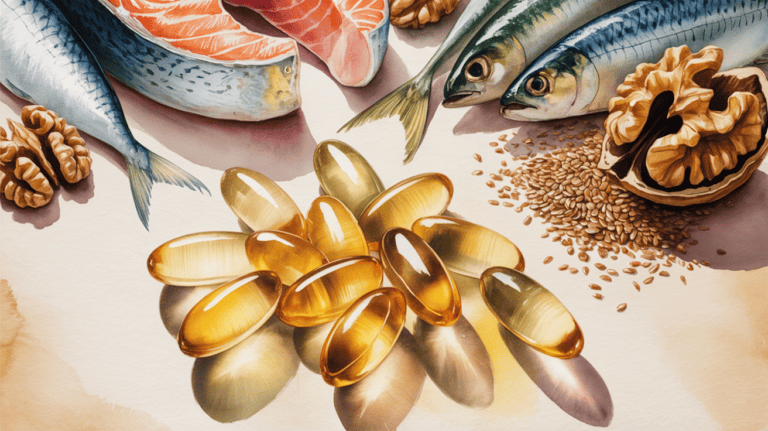
But here’s the thing: that unassuming little can might be the single most cost-effective anti-inflammatory food in the entire store. A single can of sardines delivers roughly 900–1,800 mg of EPA and DHA omega-3 fatty acids — comparable to what you’d get from a quality fish oil supplement. Except this one also comes with 22 grams of protein, a quarter of your daily calcium (from those tiny edible bones), meaningful vitamin D, selenium, and vitamin B12. All for about $2–3.
If you’ve been spending $40 a month on fish oil capsules, you should know that two cans of sardines per week covers you — and gives you a whole meal’s worth of nutrition that no capsule can match.
Short on Time? Here’s the Bottom Line.
- Sardines in
olive oil are the most nutrient-dense option — you get omega-3s from the fish AND anti-inflammatory compounds (oleocanthal) from the oil.- Wild-caught matters — farmed fish have different omega-3 profiles and may contain more contaminants. Always check the label.
- Aim for 2–3 servings of omega-3-rich fish per week. Canned counts. Same nutrition as fresh, fraction of the price.
- My top pick: Wild Planet Sardines in Extra Virgin Olive Oil — sustainably caught, non-GMO, packed in real EVOO.
This post may contain affiliate links to products that align with my evidence-based nutrition approach. As an Amazon Associate I earn from qualifying purchases. Full disclosure.
What We’ll Cover
Here’s what I’m going to walk you through:
- Why sardines are an inflammation powerhouse — and why they outperform most fish oil supplements
- How to pick a quality can — because what the sardines are packed in matters more than you think
- My top sardine picks — three genuinely different brands at three price points, all with real
olive oil (not the soybean oil most cheap brands sneak in) - Canned wild salmon — another excellent option with even higher omega-3s and the bonus of astaxanthin
- How to actually eat canned fish — because if “sardines on toast” is as far as your imagination goes, we need to expand your repertoire
Why Sardines Are an Inflammation Powerhouse
Remember the SMASH acronym? Salmon, Mackerel, Anchovies, Sardines, Herring — these are the fish with the highest omega-3 concentrations. I wrote a full guide on the best fish for inflammation if you want the complete ranking, but sardines sit in a nutritional sweet spot that’s hard to beat.
A single can of sardines delivers:
- ~22g of protein (nearly as much as a chicken breast)
- 900–1,800 mg EPA + DHA omega-3s (depending on the brand and variety)
- ~25% of your daily calcium from those tiny edible bones
- A meaningful dose of vitamin D — a nutrient many women over 40 are deficient in (I wrote about why that matters for inflammation here)
- High selenium and vitamin B12 — both crucial for thyroid function and energy
That’s a lot of anti-inflammatory power from a can that costs less than your morning coffee.
The Mercury Question (Spoiler: You’re Fine)
Mercury is a legitimate concern with fish — but sardines are one of the safest options available. Because they’re small, short-lived fish low on the food chain, they don’t bioaccumulate the heavy metals that larger predatory fish like tuna, swordfish, and king mackerel do.
The numbers are reassuring: sardines have a mean mercury concentration of just 0.013 parts per million. For context, bigeye tuna — a fish the FDA says to avoid — clocks in at 0.689 PPM. That’s over 50 times higher.
The FDA and EPA jointly classify sardines as a “Best Choice” fish, meaning they can be safely eaten 2–3 times per week — even during pregnancy and breastfeeding (FDA & EPA, 2021). So if mercury has been keeping you away from fish entirely, sardines are your safe on-ramp.
Why Omega-3s From Food Beat Supplements
Here’s something worth knowing: a typical fish oil supplement provides about 300 mg of combined EPA and DHA per capsule (that’s 180 mg EPA + 120 mg DHA in most standard softgels). A single can of sardines delivers three to six times that amount — plus protein, calcium, vitamin D, and selenium that no capsule provides.
Research also suggests that omega-3s from whole food sources may be better absorbed than those from supplements, partly because the fat and protein in fish create a natural delivery system (Calder, 2017). Your body evolved to get these fats from fish, not from capsules. It shows.
That doesn’t mean supplements are useless — for some people, they’re an important tool. But if you can eat fish, the food version wins on almost every metric.
What the Sardines Are Packed in Matters
This is the part most people don’t think about — and it makes a real difference.
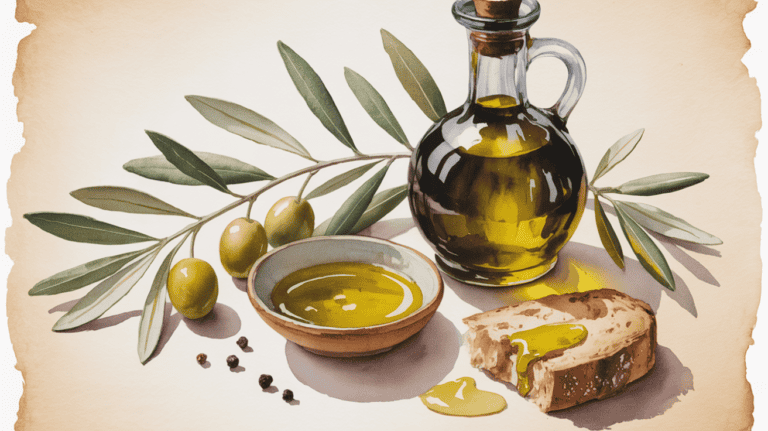
Sardines in extra virgin
Sardines in water are fine if you’re watching calories or sodium closely, or if you prefer to add your own oil and seasonings. You still get all the omega-3s — you just miss the bonus from the
Sardines in soybean oil — skip these. Many of the cheapest brands use soybean oil, which is high in omega-6 fatty acids. Omega-6s aren’t inherently bad, but the typical Western diet already has a dramatically skewed omega-6 to omega-3 ratio. Adding more omega-6 to your omega-3 source defeats the purpose. Always check the ingredients list. If it says “soybean oil” instead of “olive oil” or “extra virgin
My Sardine Picks: Three Brands, Three Price Points
I’ve tried a lot of canned sardines. These are the three I actually keep in my own pantry — and recommend to clients. Each is a genuinely different brand with its own strengths.
Best: Wild Planet Sardines in Extra Virgin Olive Oil
This is the one I recommend most. Wild Planet sources their sardines from the North Pacific, uses sustainable single-species purse seine harvesting (which means minimal bycatch), and packs them in organic extra virgin
The flavor is what sets these apart. They’re lightly smoked, meaty, and scale-free — which means you’re not picking tiny scales out of your teeth. The
Why “Best”: Organic EVOO, highest omega-3 content per can, sustainable sourcing with third-party mercury testing, and a flavor profile that makes sardines accessible even for beginners.
Want to try them with lemon first? Wild Planet Sardines in EVOO with Lemon — the lemon brightens everything and pairs beautifully with crackers or on top of a salad.
Better: Season Brand Sardines in Extra Virgin Olive Oil
Season Sardines in Extra Virgin Olive Oil
Season Brand has been in the tinned fish game for over 100 years. They’re the #1 premium sardine brand in the US, and for good reason. Their sardines are wild-caught in the Atlantic Ocean off the coast of Morocco, packed in extra virgin
These are bone-in sardines — which means you’re getting the calcium bonus (more calcium than an 8-ounce glass of milk per can, according to Season). The flavor is slightly different from Wild Planet — more traditional Mediterranean-style, a bit less smoky. If you grew up eating sardines in Europe or if you’ve had them at a Portuguese restaurant, this flavor profile will feel familiar.
Why “Better” and not “Best”: Slightly lower omega-3 content per serving than Wild Planet, and Season uses regular EVOO rather than organic. Both are excellent choices — it comes down to flavor preference and whether you want organic
If bones are a dealbreaker for you, Season makes a popular Skinless and Boneless variety in EVOO. You’ll lose some calcium but keep all the omega-3s and protein.
Good: Brunswick Wild Caught Boneless Sardines
Brunswick Wild Caught Skinless and Boneless Sardines, Served in Olive Oil
I’m going to be direct with you: the bones are the calcium source. They’re soft, tiny, and you barely notice them. But I’ve been a dietitian long enough to know that for some people, the idea of eating bones — no matter how small — is the only thing standing between them and a can of sardines.
If that’s you, these skinless and boneless fillets are a perfectly good entry point. Brunswick hand-fillets them and packs them in EVOO. You’ll still get all the omega-3s, the protein, and the selenium. You just trade the calcium bonus for a texture that feels more like canned tuna — which, for a lot of first-timers, makes sardines approachable.
Why “Good” and not higher: Less calcium than bone-in varieties, and slightly less omega-3 per can (1,015 mg EPA + DHA vs. 1,800 mg for the bone-in variety). But if the alternative is not eating sardines at all? This wins. The best anti-inflammatory food is the one you actually eat.
Canned Wild Salmon: The Other Tinned Fish Hero
If sardines feel like too big a leap, canned wild salmon is another excellent option — and one that most people find more familiar.
A 6-ounce can of wild sockeye salmon typically provides 1,000–1,500 mg of EPA + DHA omega-3s, plus a nutrient you won’t find in sardines: astaxanthin. That’s the carotenoid antioxidant that gives wild salmon its deep pink-red color. Research suggests astaxanthin has potent anti-inflammatory and antioxidant properties, though more human trials are needed.
The “wild” part matters. Farmed salmon has a substantially different fatty acid profile — more omega-6, less omega-3, and often higher levels of contaminants like PCBs. When you’re buying canned, always look for “wild-caught” on the label. Wild Alaskan sockeye or pink salmon are your best bets.
My Salmon Pick
Wild Planet Wild Sockeye Salmon, Skinless & Boneless
Same quality standards as their sardines — sustainably caught in Alaskan waters, no fillers, no added liquids, and no need to drain the can. Each 2 oz serving provides 470 mg of EPA + DHA and 17g of protein. The deep red color tells you this is real sockeye, not pale farmed fish dyed pink. Canned fresh upon catch and never frozen. Non-GMO, gluten-free, OU Kosher.
This is the brand I reach for when I’m making salmon cakes, salmon salad, or tossing it on top of a grain bowl. It flakes beautifully and has a clean, rich flavor without that “canned” taste.
How to Actually Eat Canned Fish (Without Hating It)
If your only experience with canned fish is sad tuna sandwiches from the break room, I need to expand your worldview. Canned sardines and salmon are incredibly versatile — and none of these takes more than five minutes.
🍞 The Sardine Toast (my go-to lunch) Whole grain bread + mashed sardines + squeeze of lemon + everything bagel seasoning + a drizzle of EVOO. Ninety seconds, and you have a complete anti-inflammatory meal. This is genuinely one of the best things I eat all week.
🥗 The Lazy Salad Upgrade Drain sardines or salmon and lay them on top of whatever greens you have. Add cherry tomatoes, cucumber, red onion, a drizzle of quality olive oil. The sardines replace the chicken or tuna you’d normally use — with dramatically better omega-3 content.
🧀 The Cracker Snack (desk drawer essential) Keep a can of sardines at work. Crackers + sardines + a few capers or cornichons if you’re feeling fancy. Zero cooking, zero dishes, and it stabilizes your blood sugar for the entire afternoon.
🍝 The Invisible Sardine Pasta Toss sardines with whole grain pasta, garlic, cherry tomatoes, and
🍚 The Five-Minute Bowl Sardines or salmon + brown rice or quinoa + avocado + pickled vegetables + sriracha or soy sauce. This is a complete anti-inflammatory meal that requires zero actual cooking if you have leftover rice.
Pro tip: If the sardine flavor feels strong at first, start with the lemon variety or the skinless/boneless fillets. Both are milder. You can also mash sardines with avocado, lemon juice, and a pinch of salt — it tastes surprisingly similar to tuna salad and is an easy gateway.
How Much Canned Fish Should You Eat?
The FDA and EPA recommend 2–3 servings of fish per week from the “Best Choices” category, which includes both sardines and salmon. A serving is about 4 ounces for adults.
For anti-inflammatory purposes, this aligns well with the research. A 2023 review in Frontiers in Nutrition found that consistent omega-3 intake from fish was associated with lower markers of systemic inflammation (Santos et al., 2023). The key word is consistent — it’s the habit that matters, not the occasional sardine once a month.
Two to three cans per week is a practical, affordable target. That gives you roughly 2,000–5,000 mg of EPA + DHA weekly — well within the range associated with anti-inflammatory benefits in the research.
Quick Reference: What to Look For (and Avoid) on the Label
Look for:
- “Wild-caught” (especially for salmon)
- “Extra virgin
olive oil ” as the packing medium - Short ingredient lists: fish,
olive oil , salt, maybe lemon or smoke - Sustainability certifications (MSC, Friend of the Sea)
- Non-GMO verification
Avoid:
- “Soybean oil” or “vegetable oil” as the packing medium
- Farmed fish (for salmon especially)
- Added fillers, broths, or artificial flavors
- Brands that don’t specify the species of fish
The Bottom Line
Canned fish is one of the best-kept secrets in anti-inflammatory nutrition. It’s affordable, shelf-stable, requires zero cooking skill, and delivers more omega-3s per serving than most supplements. It also provides protein, calcium, vitamin D, and selenium — nutrients that many women over 40 are running low on, especially during perimenopause and menopause.
If you’ve been spending money on fish oil capsules while ignoring the canned fish aisle, this is your sign to reconsider. Start with one can a week. Build from there. Your joints, your brain, and your inflammatory markers will notice.
For a deeper dive into the science behind omega-3s and inflammation, read my guide on the best fish for inflammation. And if you’re looking for more ways to build an anti-inflammatory plate without overhauling your entire diet, my 7-day anti-inflammatory meal plan is a good place to start.
This content is for educational purposes only and does not replace individualized medical advice. For guidance on how to bring up nutrition with your healthcare provider, see how to talk to your doctor about anti-inflammatory nutrition.
References (click to expand)
Beauchamp, G. K., Keast, R. S. J., Morel, D., Lin, J., Pika, J., Han, Q., Lee, C.-H., Smith, A. B., & Breslin, P. A. S. (2005). Phytochemistry: Ibuprofen-like activity in extra-virgin
Calder, P. C. (2017). Omega-3 fatty acids and inflammatory processes: From molecules to man. Biochemical Society Transactions, 45(5), 1105–1115. https://doi.org/10.1042/BST20160474
FDA & EPA. (2021). Advice about eating fish: For those who might become or are pregnant or breastfeeding and children ages 1–11 years. U.S. Food and Drug Administration. https://www.fda.gov/food/consumers/advice-about-eating-fish
FDA. (2022). Mercury levels in commercial fish and shellfish (1990–2012). U.S. Food and Drug Administration. https://www.fda.gov/food/environmental-contaminants-food/mercury-levels-commercial-fish-and-shellfish-1990-2012
Santos, H. O., May, T. L., & Bueno, A. A. (2023). Eating more sardines instead of fish oil supplementation: Beyond omega-3 polyunsaturated fatty acids, a matrix of nutrients with cardiovascular benefits. Frontiers in Nutrition, 10, 1107475. https://doi.org/10.3389/fnut.2023.1107475
National Institutes of Health. (2025). Omega-3 fatty acids: Fact sheet for health professionals. Office of Dietary Supplements. https://ods.od.nih.gov/factsheets/Omega3FattyAcids-HealthProfessional/