Tart Cherry Juice for Sleep and Hot Flashes: What the Evidence Says
A Natural Source of Melatonin and Anti-Inflammatory Anthocyanins for Perimenopause Sleep Support
If night sweats are disrupting your sleep during perimenopause, you’ve probably been told to try melatonin. But before you reach for the pills, there’s a six-dollar bottle worth knowing about.
Tart Montmorency cherries are one of the few natural dietary sources of melatonin — the same hormone your pineal gland produces to signal sleep onset. And unlike a melatonin supplement, tart cherry juice also delivers a significant dose of anthocyanins — anti-inflammatory polyphenols that address the inflammation driving your night sweats in the first place.
A melatonin pill gives you one mechanism. Tart cherry gives you both.
The evidence is preliminary but promising. Here’s what the research says, what it doesn’t say, and how to use it practically.
Short on Time? Here’s the Protocol.
- One tablespoon of tart cherry concentrate mixed into 4-6 oz of water — 1-2 hours before bed. (Concentrate is more economical and lower in sugar than full juice.)
- It must be tart Montmorency cherries — not sweet Bing cherries. Check the label.
- Pair with magnesium glycinate (200-400 mg at bedtime) for the strongest sleep support combination.
- Give it 1-2 weeks of consistent use before evaluating.
- This is one tool in a sleep strategy — not a standalone fix.
This post may contain affiliate links to products that align with my evidence-based nutrition approach. As an Amazon Associate I earn from qualifying purchases. Full disclosure.
Why Night Sweats Are More Than Just an Annoyance
Night sweats are hot flashes that occur during sleep. Even when they don’t fully wake you, they disrupt your sleep architecture — the normal cycling through light, deep, and REM stages that your body needs for repair, memory consolidation, and immune function.
This creates a vicious cycle that I see in so many of my clients. Fragmented sleep raises cortisol. Elevated cortisol promotes inflammation. More inflammation worsens hot flashes and night sweats. Worse night sweats further fragment sleep. As I explain in my article on perimenopause as an inflammatory event, sleep disruption isn’t just a comfort issue — it’s an inflammatory accelerant.
Breaking this cycle is one of the most impactful things you can do for your overall symptom burden during perimenopause.
What the Research Shows (Honestly)
A 2010 pilot study examined the effects of tart cherry juice in adults with chronic insomnia. Participants drank tart cherry juice twice daily for two weeks. The results: reduced insomnia severity, less time awake after falling asleep, and improved overall sleep quality compared to placebo (Pigeon et al., 2010).
A 2012 study provided complementary evidence, finding that tart cherry juice supplementation increased urinary melatonin levels and improved both sleep duration and quality in healthy adults (Howatson et al., 2012).
I want to be upfront about the evidence level here. These were small studies — not large-scale RCTs. The body of research on tart cherry and sleep is still developing. I’d describe this as promising preliminary evidence — consistent enough to be worth trying, not definitive proof.
But here’s why I still recommend it: the risk profile is essentially zero. You’re drinking cherry juice. The potential benefit is better sleep and reduced inflammation. The downside is… you drank cherry juice. That math works.
The Dual Mechanism: Why It’s More Than Melatonin
What makes tart cherry potentially more useful than a standard melatonin supplement is that it works through two pathways simultaneously.
Melatonin: The naturally occurring melatonin supports sleep onset — helping your body receive the signal that it’s time to transition into sleep.
Anthocyanins: Tart cherries are rich in anthocyanins, the same class of anti-inflammatory polyphenols found in blueberries and other deeply pigmented fruits. Given that inflammation is one of the drivers of both sleep disruption and night sweats during perimenopause, this second mechanism adds value that a melatonin capsule alone doesn’t provide.
Think of it this way: a melatonin pill sends the sleep signal. Tart cherry sends the sleep signal and helps calm the inflammation that’s disrupting the signal in the first place.
Practical Guide: What to Buy and How to Use It
Tart vs. Sweet Cherries — This Matters
The research uses tart Montmorency cherries — not the sweet Bing cherries you eat as a snack. Sweet cherries contain significantly less melatonin and fewer anthocyanins. When shopping, check for “tart cherry” or “Montmorency” on the label.
Juice vs. Concentrate
Tart cherry juice (100%): The form used in most research. Eight ounces provides a research-consistent dose. Look for 100% tart cherry juice — not a juice blend with apple or grape filler.
Tart cherry concentrate: My preferred recommendation. One tablespoon of concentrate is approximately equivalent to eight ounces of juice. It’s more economical, easier to store, and significantly lower in sugar. Mix one tablespoon into 4-6 oz of water or sparkling water. A single bottle lasts about a month.
Dried Tart Cherries
Dried tart cherries retain some anthocyanins, but the melatonin content in dried form is less studied. They’re a good anti-inflammatory snack but may not be as reliable for sleep support as juice or concentrate.
Timing
Drink tart cherry juice or concentrate 1-2 hours before bed. Melatonin takes time to work — consuming it right at bedtime is too late for optimal effect. Making it part of an evening wind-down routine adds the additional benefit of a consistent pre-sleep ritual.
The Sugar Question
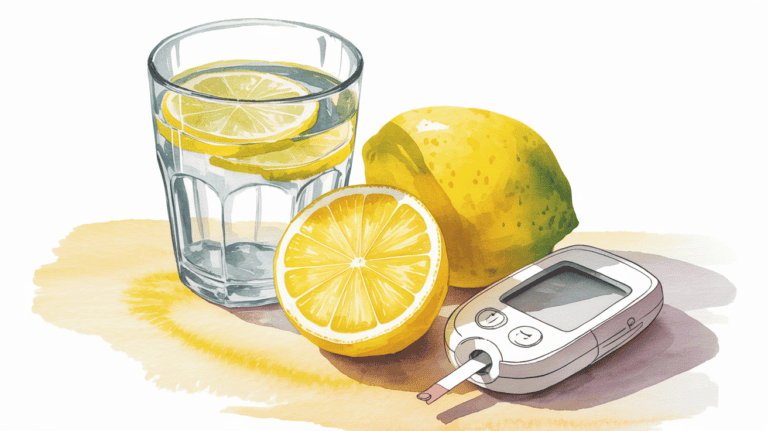
Tart cherry juice contains natural sugar — approximately 25-30 grams per eight-ounce serving. That’s meaningful, particularly for women managing blood sugar or insulin resistance during perimenopause.
The concentrate addresses this: one tablespoon in water delivers the active compounds with substantially less sugar. You can also consume it alongside a protein-containing snack to moderate blood sugar impact.
The concern is real but manageable. Choose the concentrate, pair it with protein, and the issue is largely resolved.
Part of a Strategy, Not a Standalone
Tart cherry is not a magic sleep fix. No single food or supplement is. It’s one tool in a comprehensive sleep support strategy that includes:
- Temperature management — cool bedroom (65-68°F), moisture-wicking sheets and sleepwear
- Magnesium glycinate — 200-400 mg at bedtime
- Consistent sleep and wake times — including weekends
- Evening light management — reducing blue light in the hour before bed
- Avoiding food close to bedtime — especially heavy, spicy, or high-sugar meals
- The broader anti-inflammatory dietary pattern — because systemic inflammation itself disrupts sleep architecture
Tart cherry adds melatonin and anthocyanins to this toolkit. It doesn’t replace it.
When to see a doctor: If your sleep disruption is severe — fewer than five hours consistently, significant daytime impairment, heavy snoring, or gasping during sleep — please get evaluated by your healthcare provider. Sleep apnea becomes more common during and after the menopausal transition and requires medical evaluation. (Here’s how to bring up sleep concerns with your doctor.)
The Bottom Line
One tablespoon of tart cherry concentrate in water, 1-2 hours before bed. Paired with magnesium, a cool bedroom, and the anti-inflammatory dietary pattern that addresses the inflammation driving your symptoms in the first place.
Inexpensive. Low-risk. Dual mechanism. One of the easier additions to your evening routine.
Not a magic bullet. A useful tool in your toolkit — and one that tastes a lot better than most supplements.
This article is for educational purposes and is not a substitute for personalized medical or sleep medicine advice. If sleep disruption is significantly affecting your quality of life, please discuss with your healthcare provider — anti-inflammatory nutrition supports, but does not replace, appropriate medical care. (Not sure how to start that conversation?)
References (click to expand)
Howatson, G., Bell, P. G., Tallent, J., Mayber, E., McHugh, M. P., & Ellis, J. (2012). Effect of tart cherry juice (*Prunus cerasus*) on melatonin levels and enhanced sleep quality. *European Journal of Nutrition*, 51(8), 909-916. [https://doi.org/10.1007/s00394-011-0263-7](https://doi.org/10.1007/s00394-011-0263-7)
Pigeon, W. R., Carr, M., Gorman, C., & Perlis, M. L. (2010). Effects of a tart cherry juice beverage on the sleep of older adults with insomnia: A pilot study. *Journal of Medicinal Food*, 13(3), 579-583. [https://doi.org/10.1089/jmf.2009.0096](https://doi.org/10.1089/jmf.2009.0096)