Equol, Gut Bacteria, and Why Soy Works for Some Women But Not Others
The Missing Piece of the Soy-and-Menopause Puzzle — and How to Stack the Odds in Your Favor
You’ve probably heard conflicting things about soy and menopause. Maybe a friend swears that tofu and edamame ended her hot flashes. Maybe you tried soy for three weeks and noticed nothing. Maybe you read one article calling soy a miracle and another calling it useless.
Here’s the part that nobody tells you: the difference between those outcomes probably isn’t the soy. It’s what’s living in your gut.
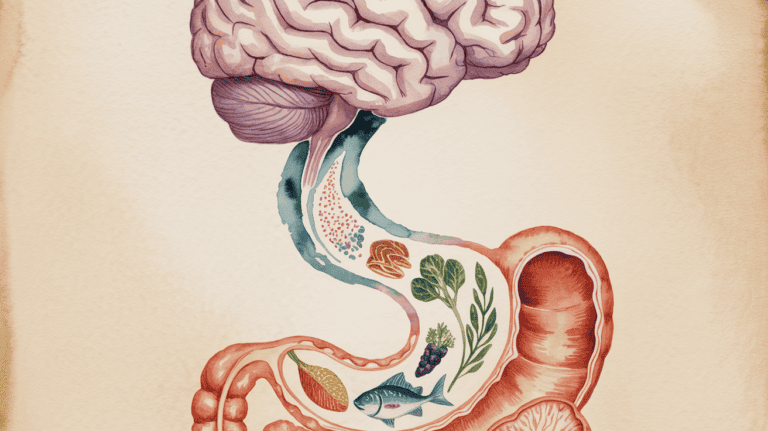
The compound most likely responsible for soy’s strongest benefits during menopause isn’t found in the soybean at all. It’s made inside your body — by specific gut bacteria that convert a soy compound into a more powerful molecule called equol. And only about 25-30% of Western women have enough of those bacteria to make the conversion.
That one fact explains most of the confusion. It explains why supplement trials produce mixed results. It explains why a clinical trial using whole soy within a plant-based diet produced dramatically better outcomes. And — most importantly — it points toward a practical strategy for building the gut environment that makes soy more likely to work for you.
This is one of the most fascinating and empowering topics in menopause nutrition. Let’s walk through it.
Short on Time? Do These Three Things First.
- Start eating soy daily — not weekly. Even a small serving counts. Edamame as a snack, miso stirred into warm broth, or cubed tofu in a stir-fry. Your gut bacteria need regular exposure to develop the ability to process soy effectively.
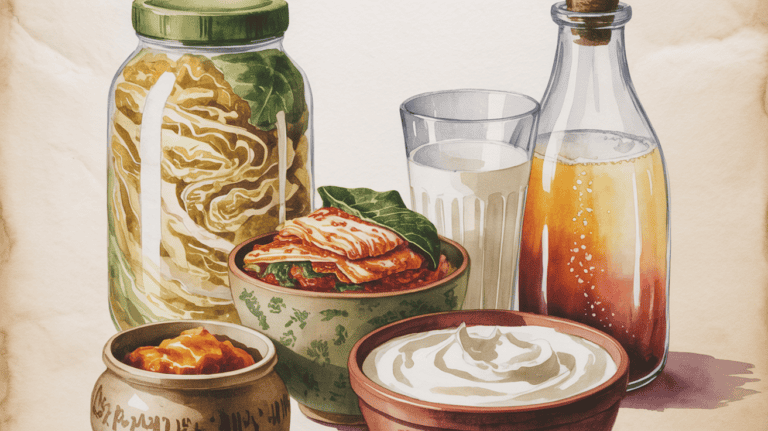
- Add one fermented food every day — plain yogurt, kefir, kimchi, sauerkraut, or miso. A Stanford trial found that fermented foods increased gut microbial diversity and decreased inflammatory markers.
- Diversify your plants. Aim for 30 different plant foods per week (fruits, vegetables, legumes, grains, nuts, seeds, herbs, and spices all count). Different fibers feed different bacteria — and diversity is the goal.
- Consider a direct S-equol supplement if you want additional support — it bypasses the gut bacteria step entirely, which matters because ~70-75% of Western women aren’t equol producers. More on this below.
The first three habits build the foundation. Give them 8-12 weeks of consistency.
This post may contain affiliate links to products that align with my evidence-based nutrition approach. As an Amazon Associate I earn from qualifying purchases. Full disclosure.
So What Is Equol, Exactly?
Soybeans contain plant compounds called isoflavones — the two most abundant are genistein and daidzein. Both have mild biological activity on their own. But daidzein has a particularly interesting downstream pathway.
When you eat soy, daidzein travels to your large intestine, where specific species of bacteria can convert it into a compound called S-equol (usually just called equol). And equol is substantially more active than daidzein itself.
Here’s the analogy I use with clients: daidzein is the raw ingredient. Your gut bacteria are the kitchen. Equol is the finished dish. Without the right kitchen, the ingredient can’t reach its full potential.
Equol binds more strongly to estrogen receptors than daidzein alone — specifically to a type of receptor associated with anti-inflammatory and protective effects (Setchell et al., 2002). This may partly explain why soy has been linked to benefits for hot flashes, cardiovascular health, and bone density in some populations — and why those benefits aren’t universal.
A 2019 meta-analysis of randomized controlled trials found that equol supplementation significantly reduced the incidence and severity of hot flashes in menopausal women — specifically in women who weren’t already producing equol on their own (Daily et al., 2019). That’s an important distinction: equol appears to help most when your body isn’t already making it, which is the situation most Western women are in.
The Equol Producer Gap: Why Geography and Diet Matter
This is the part that reframes the entire soy debate.
Research going back to the early 2000s established a striking finding: the ability to produce equol varies dramatically based on what you eat, not who you are genetically.
| Population | Approximate Equol Producers | Likely Reason |
|---|---|---|
| Western women | 25-30% | Low habitual soy intake |
| Asian women (Japan, Korea, China) | 50-60% | Lifelong soy consumption |
(Setchell, 2002; Setchell & Cole, 2006)
Populations that eat soy regularly — from childhood — maintain the bacterial communities that perform the conversion. Populations without regular soy intake don’t maintain those bacteria in sufficient numbers. It’s a dietary pattern difference, not a genetic one.
So what does this mean for soy research? When a study gives soy isoflavones to a group of Western women and measures the average hot flash reduction, that average includes both equol producers (who may experience real benefit) and non-producers (who may experience little to none). The average result looks modest — but it’s masking a genuine biological difference in who responds and why.
This is likely the biggest reason soy research has produced “conflicting” results. The soy isn’t inconsistent. The gut bacteria are.
What Happened When They Changed the Whole Diet (Not Just the Soy)
This is where the story gets really interesting — and really practical.
The WAVS trial (Women’s Study for the Alleviation of Vasomotor Symptoms) tested something different from most soy studies. Instead of giving women soy supplements, researchers gave them a low-fat, plant-based diet that included half a cup of cooked whole soybeans daily. The result: moderate-to-severe hot flashes dropped by 88% over twelve weeks (Barnard et al., 2023).
That’s dramatically better than what most isolated soy supplement trials have achieved. Why?
In a 2025 follow-up analysis, the researchers found that women who had higher baseline daidzein levels — reflecting prior habitual soy consumption — had even greater improvements (Barnard et al., 2025). This suggests that having soy-processing gut bacteria already in place gave those women an additional advantage.
But here’s the key insight: the comprehensive dietary change — not just the soy — likely played a critical role. A whole-food, plant-based diet is high in diverse fiber, which feeds the bacterial populations associated with equol production. The diet may have been reshaping participants’ microbiomes over those 12 weeks, progressively increasing their capacity to convert daidzein to equol.
I want to be transparent about the evidence here: the WAVS trial didn’t directly measure equol levels, so this theory hasn’t been definitively proven. But it aligns with what we know about how rapidly the gut microbiome responds to dietary change — meaningful shifts can happen in days to weeks — and why whole-food dietary patterns consistently outperform isolated supplements.
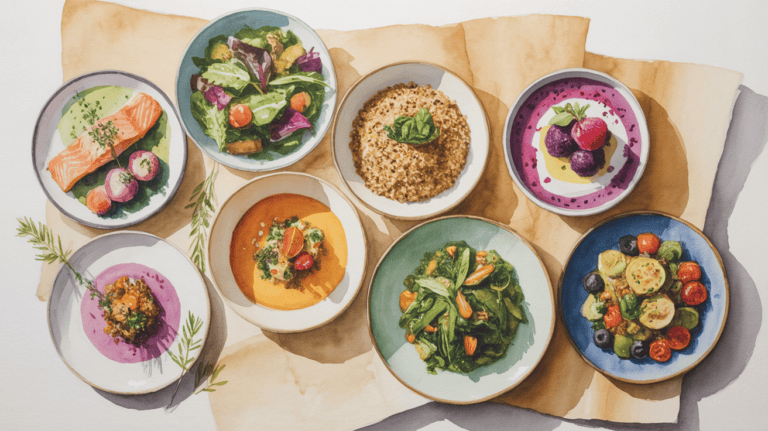
The practical takeaway: soy alone may not be enough. Soy within an anti-inflammatory, plant-rich dietary pattern — one that simultaneously reshapes your microbiome — appears to be the combination that produces the strongest results.
(For the full breakdown of the WAVS trial and the anti-inflammatory dietary pattern it used, see my article on hot flashes, inflammation, and what the research actually shows.)
An Honesty Moment: What the Medical Establishment Says
I want to address something directly, because I think you deserve the full picture.
The 2023 North American Menopause Society (NAMS) position statement classified soy foods, soy extracts, and equol as “not recommended” for vasomotor symptoms based on their assessment of the available evidence (NAMS, 2023).
That’s worth knowing. And it’s worth understanding why they reached that conclusion — and where it may not capture the whole story.
NAMS evaluated the cumulative evidence from soy supplement trials, many of which didn’t account for equol-producer status. As we’ve discussed, when you average results across producers and non-producers, the benefits look modest. The WAVS trial (which showed the 88% reduction) was published around the same time as the position statement, and its design — whole diet change, not isolated supplements — represents a different approach than what most of the reviewed trials tested.
What this means for you: Hormone therapy remains the most effective treatment for severe hot flashes, and I’d never suggest otherwise. But if you’re looking for a dietary approach that may help — and that supports your health in numerous other ways regardless of hot flash outcomes — the anti-inflammatory, soy-inclusive dietary pattern has meaningful evidence behind it. The key is that you’re not taking a soy pill. You’re building the gut environment that makes soy useful.
(If you’re considering soy and wondering about safety — particularly around breast cancer concerns — I’ve written a complete evidence review on whether soy is safe during menopause.)
Why Your Gut Changes During Perimenopause (Making This Harder)
There’s a compounding factor here that makes the equol conversation especially relevant right now if you’re in the perimenopausal window.
A 2023 study demonstrated that ovarian hormone decline directly alters gut microbiome composition (Cross et al., 2023). As estrogen and progesterone fluctuate and decline during perimenopause, the gut’s bacterial diversity tends to decrease — often shifting toward less favorable compositions. A 2025 review in npj Women’s Health confirmed this bidirectional relationship, describing how declining hormones and changing gut bacteria create a reinforcing cycle (Campos Cogo et al., 2025).
This creates a frustrating negative feedback loop:
- Estrogen declines → systemic inflammation increases (as I explain in this article)
- Inflammation reaches the gut → microbial diversity decreases
- Decreased diversity → reduced equol production capacity
- Less equol → fewer soy benefits → symptoms persist
- Persistent symptoms + ongoing inflammation → cycle continues
The same hormonal changes that create the need for soy’s benefits also undermine the gut environment required to access those benefits. This is why a passive approach — just tossing some edamame on a salad once a week — probably isn’t enough.
But the loop can be reversed. Dietary changes are the single most modifiable influence on gut microbiome composition. And the evidence says meaningful microbial shifts can happen in days to weeks with consistent change.
How to Build an Equol-Friendly Microbiome
I can’t promise you’ll become an equol producer. The science isn’t there yet for guarantees. But every strategy below increases the likelihood — and supports your health broadly, regardless of equol status. There’s no downside here.
1. Eat Soy Daily (Not Weekly)
Your gut bacteria need regular exposure to daidzein to maintain the populations that convert it. Sporadic soy — once a week — doesn’t give those bacteria enough to thrive on.
The WAVS trial used half a cup of cooked soybeans daily. You don’t need to start there. But you do need to build toward daily consumption.
Easiest starting points:
– Edamame — keep frozen shelled edamame on hand. Microwave for 3 minutes, sprinkle with sea salt. This is the lowest-barrier entry point.
– Miso — stir a tablespoon of white or yellow miso into warm (not boiling) broth. Delivers isoflavones plus fermentation benefits in under 2 minutes.
– Tempeh — sliced thin, pan-seared with soy sauce and ginger. Fermented soy, so you get isoflavones and probiotic benefit simultaneously.
– Tofu — marinated and baked, cubed in stir-fries, or blended into smoothies. More versatile than most people realize.
The key is consistency. Daily is the target. Your bacteria respond to what you feed them regularly.
2. Feed Your Bacteria With Diverse Fiber
Different fibers feed different bacterial species. Microbial diversity — the total range of species in your gut — is consistently linked to better health outcomes. And diversity requires dietary diversity.
A practical target: 30 different plant foods per week. That counts every fruit, vegetable, legume, whole grain, nut, seed, herb, and spice. It sounds ambitious until you start counting — a stir-fry with five vegetables, garlic, ginger, and brown rice is already 8.
Priority prebiotic foods that specifically feed beneficial bacteria:
– Garlic, onions, leeks
– Asparagus, artichokes
– Oats, barley
– Bananas (especially slightly underripe)
– Legumes — lentils, chickpeas, black beans
– Ground flaxseed (delivers soluble fiber plus lignans plus omega-3s — three for one)
3. Add Fermented Foods Daily
This is where one of the most exciting recent studies comes in. A 2021 randomized controlled trial from Stanford, published in Cell, compared a high-fiber diet to a high-fermented-food diet over ten weeks. The fermented food group showed significantly greater increases in microbial diversity and significant decreases in inflammatory markers including IL-6 (Sonnenburg et al., 2021).
That’s remarkable. Fermented foods didn’t just add bacteria — they created conditions that supported the growth and diversification of existing microbial communities. They function as both a direct microbial input and a catalyst for broader microbiome health.
What to look for (the key phrase is “live active cultures”):
– Kefir — high bacterial diversity, easy to drink daily. This brand is widely available and contains 12 live cultures.
– Plain yogurt — choose versions with live cultures, skip added sugar
– Raw sauerkraut — must be refrigerated. Shelf-stable versions have been heat-treated and contain no live bacteria.
– Kimchi — same rule: raw, refrigerated
– Miso — add to warm liquid, not boiling, to preserve the cultures
– Kombucha — benefits vary; choose lower-sugar options
Aim for at least one serving daily. The Stanford participants who saw the greatest benefit consumed two to three servings per day. (For a deeper dive on which fermented foods matter most during menopause, I have a complete guide here.)
4. Reduce What Harms Your Microbiome
Building beneficial bacteria works better when you simultaneously reduce what undermines them.
Unnecessary antibiotics eliminate beneficial bacteria alongside pathogens. Take them when medically necessary — but discuss with your provider whether each prescription is truly needed. If you do take antibiotics, increase fermented foods during and after.
Artificial sweeteners — research has shown that saccharin, sucralose, and aspartame can alter gut microbiome composition unfavorably. The evidence is still evolving, but it supports moderation if you’re actively trying to build microbiome diversity.
Ultra-processed foods — typically low in fiber and plant diversity, which are the substrates your bacteria need. Centering your diet on whole and minimally processed foods naturally supports microbial health.
Chronic stress — the gut-brain axis is bidirectional. Chronic stress alters gut permeability and shifts microbial populations. Stress management supports gut health directly.
Can You Test Whether You’re an Equol Producer?
In research settings, yes — it’s done by measuring equol in urine or blood after a soy challenge. But clinically, this testing isn’t widely available, isn’t standardized, and isn’t covered by insurance. There’s no at-home test I’d confidently recommend right now.
The practical alternative is more useful — and probably more empowering: eat soy daily within a diverse, anti-inflammatory, fermented-food-rich dietary pattern for 8-12 weeks. Track your symptoms.
Specifically track hot flash frequency and severity, but also sleep quality, joint comfort, and energy levels. If symptoms improve meaningfully, your microbiome is likely doing its job.
And if they don’t? The dietary pattern you’ve built still supports your health in numerous other ways: reduced systemic inflammation, better metabolic markers, improved gut barrier function, enhanced immune regulation, and increased nutrient absorption. Equol production is one potential benefit of this approach. It’s not the only one — and it’s not the only reason to eat this way.
Two Types of Supplements — and Why the Distinction Matters
This is where the equol story gets really practical, because there are two completely different supplement strategies — and they work by different mechanisms.
Soy Isoflavone Supplements (Daidzein/Genistein Capsules)
Isolated soy isoflavone supplements — capsules of concentrated genistein or daidzein — have generally produced more modest results than whole soy foods within a comprehensive dietary pattern. The reason should be clear by now: they bypass the food matrix. They don’t provide the fiber that feeds equol-producing bacteria. They don’t come with the fermentation benefits of tempeh or miso. And they don’t shift the overall dietary pattern in ways that reshape the microbiome.
Going back to our kitchen analogy: a soy isoflavone supplement delivering daidzein to a gut that can’t convert it is like shipping ingredients to a kitchen with no chef. For most Western women who aren’t currently equol producers, the food-first approach makes more biological sense than a daidzein capsule. However, if you are looking for a supplement, here is a complete women’s multivitamin with both genistein and daidzein I’ve used with clients.
Direct S-Equol Supplements: A Different Proposition
Here’s where it gets interesting. What if you could skip the gut bacteria step entirely and take equol itself?
That’s exactly what direct S-equol supplements do. Rather than giving you the precursor (daidzein) and hoping your bacteria convert it, these products deliver the finished compound — the equol — directly. It’s the equivalent of ordering the finished dish instead of the raw ingredients.
The most studied product is Equelle, which contains 10 mg of S-equol derived from fermented soy germ. A 2025 randomized controlled trial of 114 postmenopausal women found that 10 mg/day of S-equol reduced hot flash frequency by 58.7% compared to 34.5% in the placebo group over 12 weeks. Participants also reported improvements in sleep quality, night sweats, and mood disturbances. The typical dose used in research is 10 mg daily, taken in divided doses (the half-life of S-equol is 7-10 hours, so twice-daily dosing maintains more consistent levels).
The 2019 meta-analysis by Daily and colleagues — which we discussed earlier — also found that equol supplementation significantly reduced hot flashes specifically in non-producers (Daily et al., 2019). This makes biological sense: if your body isn’t making equol from soy, giving it equol directly bypasses the bottleneck.
My Honest Assessment
I want to be transparent about where this evidence stands:
What’s encouraging: The mechanism is sound, the early clinical trials are positive, the safety profile appears favorable (no significant estrogenic effects on breast or endometrial tissue in available studies), and it directly addresses the 70-75% of Western women who aren’t equol producers. Equelle is now recommended by over 1,500 healthcare providers and is HSA/FSA eligible with a letter of medical necessity.
What’s still limited: Most S-equol trials have been relatively small and primarily involved Japanese women. The US-based evidence is growing but still limited in scope. We need larger, longer trials in diverse Western populations before we can speak with the same confidence we’d have about, say, omega-3s or fiber.
Where I land: Direct S-equol supplementation is one of the more scientifically promising supplement options for menopausal symptoms — certainly more logical than a generic soy isoflavone capsule if you’re not an equol producer. But I still recommend building it on top of the dietary foundation, not instead of it. The anti-inflammatory dietary pattern supports your health in ways that no single supplement can replicate — reduced systemic inflammation, improved gut health, better metabolic markers, cardiovascular protection.
Think of it this way: the dietary pattern is the foundation. S-equol supplementation is a reasonable addition for women who want extra support, particularly if you’re in the 70-75% who likely aren’t producing equol on your own.
A practical note: Results typically take 4-8 weeks to notice, with best outcomes reported at 8-12 weeks. If you have a soy allergy, S-equol supplements are not appropriate (they’re derived from soy germ). And as with any supplement, mention it to your healthcare provider — especially if you’re taking thyroid medication (take separately, as it contains calcium) or have a history of hormone-sensitive cancer.
Your Grocery Cart as Microbiome Architecture
I come back to this idea often because it’s the most practical frame I know for understanding what you’re actually doing when you eat this way:
Every item in your grocery cart either feeds the bacteria that help you — or doesn’t.
The produce section, the fermented foods, the whole grains, the legumes, the soy foods — these are building materials for a microbiome that can produce equol, reduce inflammation, support your immune system, and protect your gut lining.
The ultra-processed convenience aisle — the refined flours, the artificial sweeteners, the foods with ingredient lists longer than this paragraph — these don’t support that construction.
This isn’t about perfection. It’s about the overall pattern. What shows up on your plate most days is what your bacteria adapt to.
What to Do This Week
If you’re ready to start putting this into practice:
- Add one soy food daily. Edamame as an afternoon snack is the lowest-barrier starting point. Here’s my full guide to building soy into your routine safely.
- Add one fermented food daily. Kefir in the morning or miso broth in the evening are the easiest wins.
- Count your plant foods for one week. Most women are surprised at how quickly small additions get them closer to 30.
- Read the full anti-inflammatory approach. If you haven’t already, my pillar article on hot flashes and inflammation walks through the complete dietary pattern — including the grocery list, the 7-day meal plan, and the 5 simplest swaps to get started.
- Give it time. Microbiome shifts happen over weeks, not days. Track your symptoms and expect gradual improvement over 8-12 weeks of consistent practice. If you’re not sure how to bring this approach into your next medical appointment, I have a guide for that conversation too.
You deserve to know why soy works for some women and not others. And you deserve a strategy that goes beyond “take a soy pill and hope for the best.”
This article is for educational purposes and is not a substitute for personalized medical advice. Anti-inflammatory nutrition complements — it does not replace — appropriate medical care, including hormone therapy when indicated. If your symptoms are significantly affecting your quality of life, please talk to your healthcare provider about the full range of options. (Not sure how to start that conversation?)
References (click to expand)
Barnard, N. D., Kahleova, H., Holtz, D. N., Znayenko-Miller, T., Sutton, M., Holubkov, R., … & Setchell, K. D. R. (2023). A dietary intervention for vasomotor symptoms of menopause: A randomized, controlled trial. *Menopause*, 30(1), 80-87. [https://doi.org/10.1097/GME.0000000000002080](https://doi.org/10.1097/GME.0000000000002080)
Barnard, N. D., Kahleova, H., Holtz, D. N., et al. (2025). The role of diet and daidzein in the alleviation of vasomotor symptoms. *Complementary Therapies in Medicine*, 88, 103114. [https://doi.org/10.1016/j.ctim.2024.103114](https://doi.org/10.1016/j.ctim.2024.103114)
Campos Cogo, S., et al. (2025). Menopausal shift on women’s health and microbial niches. *npj Women’s Health*, 3, 5. [https://doi.org/10.1038/s44294-024-00050-y](https://doi.org/10.1038/s44294-024-00050-y)
Cross, T. L., Kasahara, K., & Rey, F. E. (2023). Sexual dimorphism of cardiometabolic dysfunction: Gut microbiome in the frame. *Cell Host & Microbe*, 31(4), 482-492. [https://doi.org/10.1016/j.chom.2023.06.005](https://doi.org/10.1016/j.chom.2023.06.005)
Daily, J. W., Ko, B. S., Ryuk, J., Liu, M., Zhang, W., & Park, S. (2019). Equol decreases hot flashes in postmenopausal women: A systematic review and meta-analysis of randomized clinical trials. *Journal of Medicinal Food*, 22(2), 127-139. [https://doi.org/10.1089/jmf.2018.4265](https://doi.org/10.1089/jmf.2018.4265)
North American Menopause Society (NAMS). (2023). The 2023 nonhormone therapy position statement of The North American Menopause Society. *Menopause*, 30(6), 573-590. [https://doi.org/10.1097/GME.0000000000002200](https://doi.org/10.1097/GME.0000000000002200)
Setchell, K. D. R., Brown, N. M., & Lydeking-Olsen, E. (2002). The clinical importance of the metabolite equol — a clue to the effectiveness of soy and its isoflavones. *The American Journal of Clinical Nutrition*, 76(5), 1072-1079. [https://pubmed.ncbi.nlm.nih.gov/16857839/](https://pubmed.ncbi.nlm.nih.gov/16857839/)
Setchell, K. D. R., & Cole, S. J. (2006). Method of defining equol-producer status and its frequency among vegetarians. *The Journal of Nutrition*, 136(8), 2188-2193. [https://doi.org/10.1093/jn/136.8.2188](https://doi.org/10.1093/jn/136.8.2188)
Sonnenburg, J. L., Wastyk, H. C., Fragiadakis, G. K., et al. (2021). Gut-microbiota-targeted diets modulate human immune status. *Cell*, 184(16), 4137-4153. [https://doi.org/10.1016/j.cell.2021.06.019](https://doi.org/10.1016/j.cell.2021.06.019)