Can Lemon Water Lower A1C? The Research, the Right Dose, and What to Avoid
A randomized clinical trial found that lemon water lowered blood sugar spikes by 33% after a high-carb meal and slowed the rate of digestion — giving your body more time to process and utilize the food you just ate (1).
Let’s be clear: lemon water isn’t going to reverse pre-diabetes or dramatically lower your A1C. But the right product, at the right dose, at the right time, in conjunction with an anti-inflammatory diet and lifestyle, can help improve blood sugar control.
Short on Time? Here’s the Protocol.
- Squeeze half a lemon into 8–12 oz of water and drink it with your meal — not after
- The acid slows down starch digestion, which is why it works with carb-heavy meals and does basically nothing with a salad
- Most store-bought lemonades are loaded with sugar or artificial sweeteners that make blood sugar worse, not better — I break down the best and worst options below
- For a convenient alternative to fresh lemons, True Lemon crystallized packets are made from real lemon juice and oils with no sweeteners — perfect for restaurants and travel
This post contains links to products that align with my evidence-based nutrition principles. If you purchase through these links, I may earn a small commission at no additional cost to you. Full disclosure.
How to Use Lemon Water for Blood Sugar: The Right Dose and Timing
The clinical trial used about 1/2 cup of pure lemon juice mixed with 1/2 cup of water — and the participants were healthy adults with normal blood sugar (1). Even in people whose blood sugar was already well-regulated, lemon juice lowered the peak by 33% and delayed it by 37 minutes. If the effect is that strong in healthy adults, it’s worth paying attention to if your system is already struggling to keep up.
You don’t need to match the study dose to get a benefit. Even half a lemon squeezed into 8–12 ounces of water, with meals has shown glucose-lowering effects in the broader research on dietary acidity. Consistency matters more than volume — daily use with meals will do more than an occasional megadose.
Drink it with the meal, not after. The acid needs to be in your stomach while you’re digesting the starch. It slows down the enzyme that converts starch to sugar, so the glucose trickles into your bloodstream instead of flooding it all at once (1). An important detail from the study: total glucose absorbed over three hours was the same whether people drank water or lemon juice. You’re not blocking absorption — you’re pacing it. Same fuel, gentler delivery. Wait an hour after the meal and you’ve missed the window.
This is also why it works best with starchy meals — bread, rice, pasta, potatoes. If your meal is mostly protein and vegetables, the acid doesn’t have much starch to slow down. The study also tested black tea, which showed zero effect at any time point — so this isn’t about “hot beverages with meals.” It’s specifically about acidity.
Temperature doesn’t matter. Room temperature, cold, warm — the acidity works the same way. Choose what you’ll actually drink consistently.
Don’t add sweetener. Adding honey, agave, or sugar defeats the purpose. If you need to cut the tartness, add fresh mint, a few slices of cucumber, or a small piece of ginger.
Protect your teeth. Lemon juice is acidic enough to erode tooth enamel over time. Drink it through a straw, don’t swish it around your mouth, and wait at least 30 minutes before brushing your teeth afterward. Rinsing with plain water after drinking helps too.
Vinegar works the same way. If you prefer apple cider vinegar, the mechanism is similar — acetic acid slows the same starch-digesting enzyme. The advantage of lemon juice is that it also provides hesperidin (an anti-inflammatory flavonoid) and vitamin C, and most people find it easier to drink daily. Use whichever one you’ll actually stick with.
I Ranked 8 Lemon Drinks from Best to Worst for Blood Sugar
I went through the ingredient lists, the research, and the label fine print so you don’t have to. Here’s every common lemon drink option ranked — from the ones that actually match the science to the ones that will do the exact opposite of what you’re hoping for.
One of the “lemonades” has zero actual lemon juice.
#1. Fresh Lemons (the gold standard)
.Squeeze half a lemon into 8–12 oz of water. Drink with meals. That’s it. One lemon yields about 2–3 tablespoons of juice, so half a lemon gives you roughly 1–1.5 tablespoons — enough to meaningfully lower the pH of your stomach contents during digestion. I’ve been using this Black+Decker citrus juicer for over five years to make quick work of lemons, oranges, and grapefruit — I can’t recommend it enough.

Buying tip: Look for lemons that feel heavy for their size — that means more juice inside. Room temperature lemons yield more juice than cold ones. Rolling them firmly on the counter before cutting helps break down the internal membranes.
💡 Pro tip: The whole-lemon freezer method. Wash whole organic lemons, cut them into quarters, and freeze them in a single layer on a baking sheet. Once frozen, transfer to a freezer bag. Each morning, toss 2–3 frozen lemon quarters into your water bottle. They’ll thaw throughout the day and infuse your water continuously. You get the juice and the peel compounds — that’s where hesperidin is concentrated, a flavonoid with anti-inflammatory properties that may also help with the insulin resistance driving your blood sugar issues in the first place (3).
#2. Lakewood Organic Pure Lemon Juice (best bottled option)
If fresh lemons aren’t realistic for you, Lakewood Organic Pure Lemon Juice is 100% lemon juice with no additives — just pressed organic lemons in a glass bottle. Use 1–2 tablespoons per glass of water. Keep refrigerated after opening.
Worth noting: the clinical trial itself used commercial bottled lemon juice, not fresh-squeezed — so bottled is not a compromise. The acidity, which is what drives the blood sugar benefit, is the same.

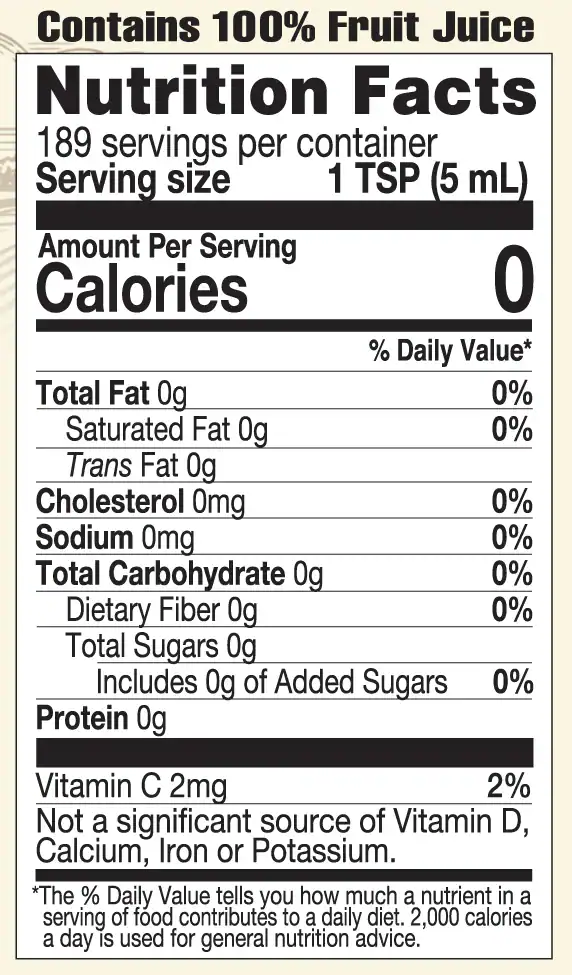
#3. True Lemon Crystallized Packets (best for travel and restaurants)
True Lemon crystallized packets are made from real crystallized lemon juice and oils — no artificial sweeteners, no sugar, no dyes. They’re individually packaged, which makes them perfect for eating out or keeping in your bag. Two packets is roughly equivalent to one wedge of lemon.
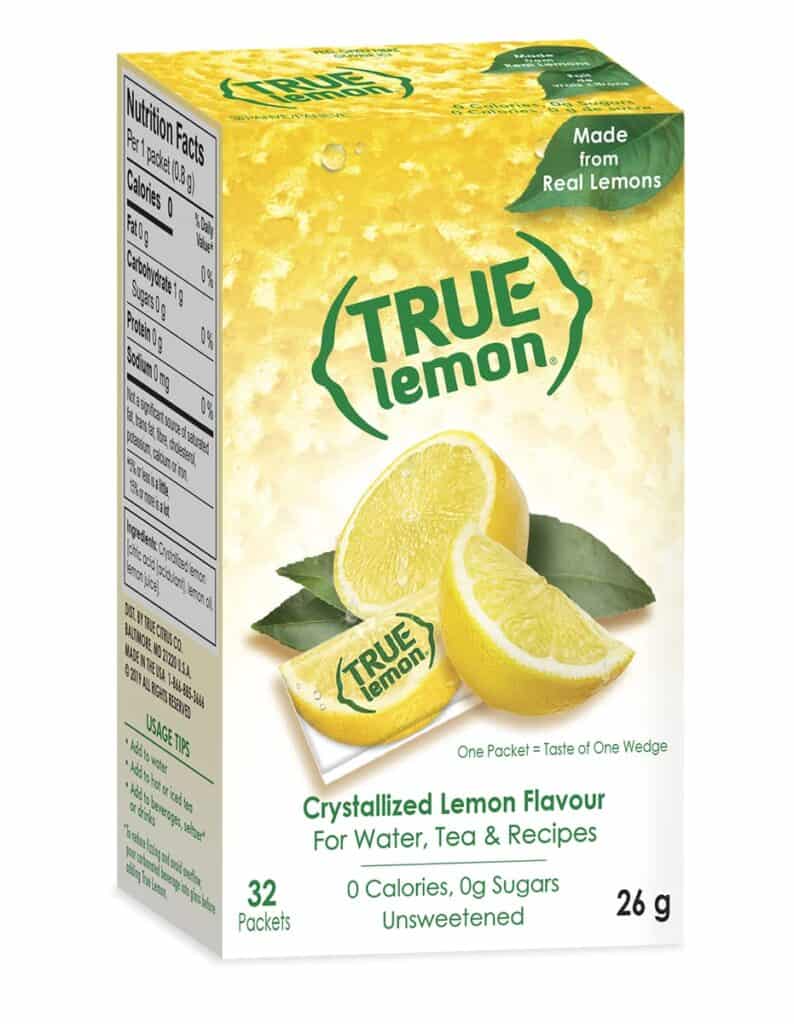
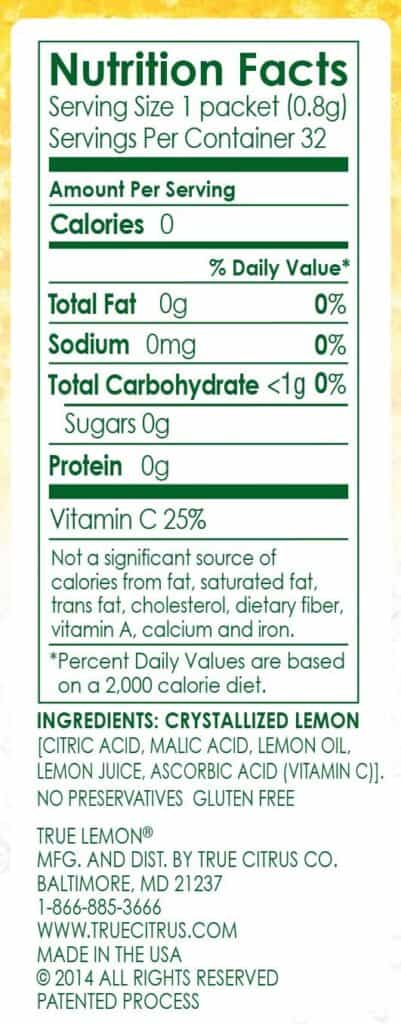
Important: True Lemon also makes flavored versions (True Lemon Lemonade, True Lemon Energy) that contain stevia and other ingredients. You want the original True Lemon packets — the ones that contain only crystallized lemon, lemon oil, and citric acid.
🚩 Everything below this line will not give you the blood sugar benefits from the research. The study used real lemon juice — not a product where lemon is the 3rd or 4th ingredient behind sugar and water. If you want the benefits, you need actual lemons.
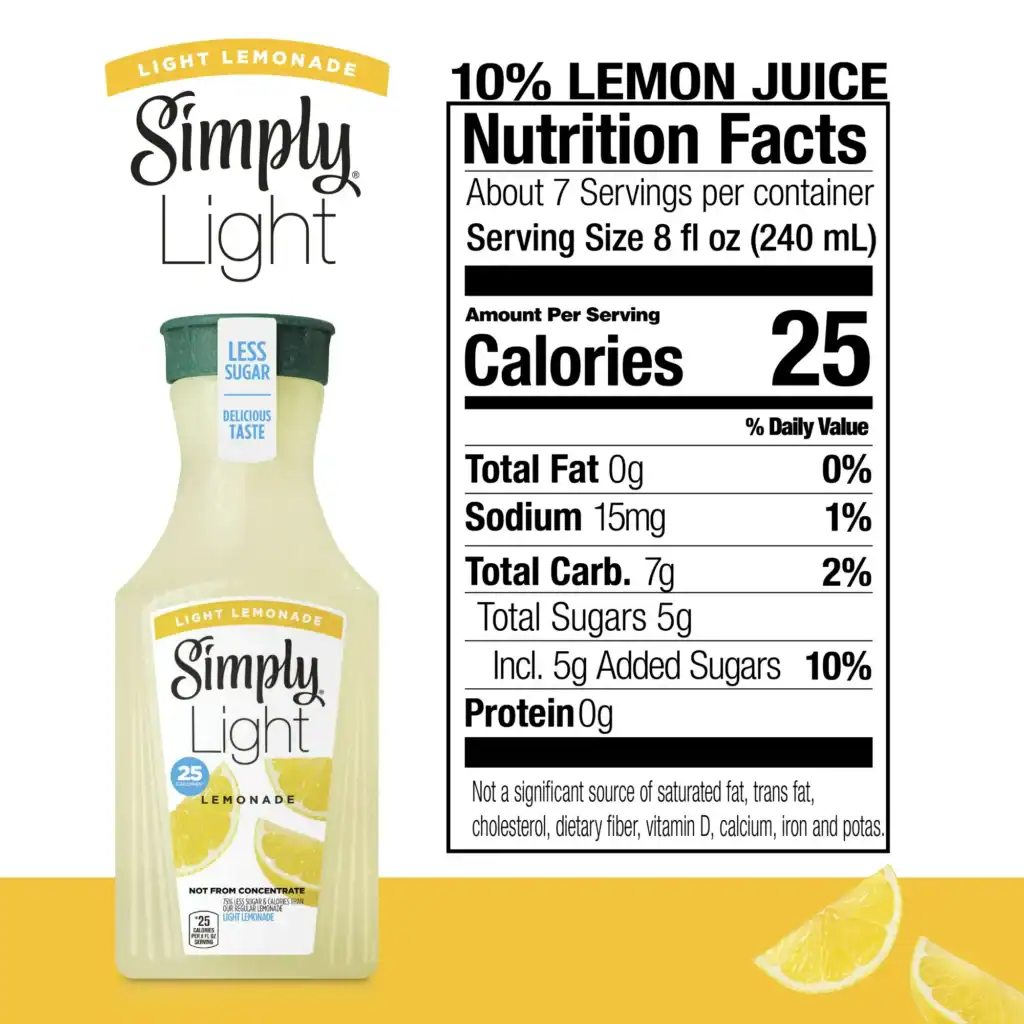
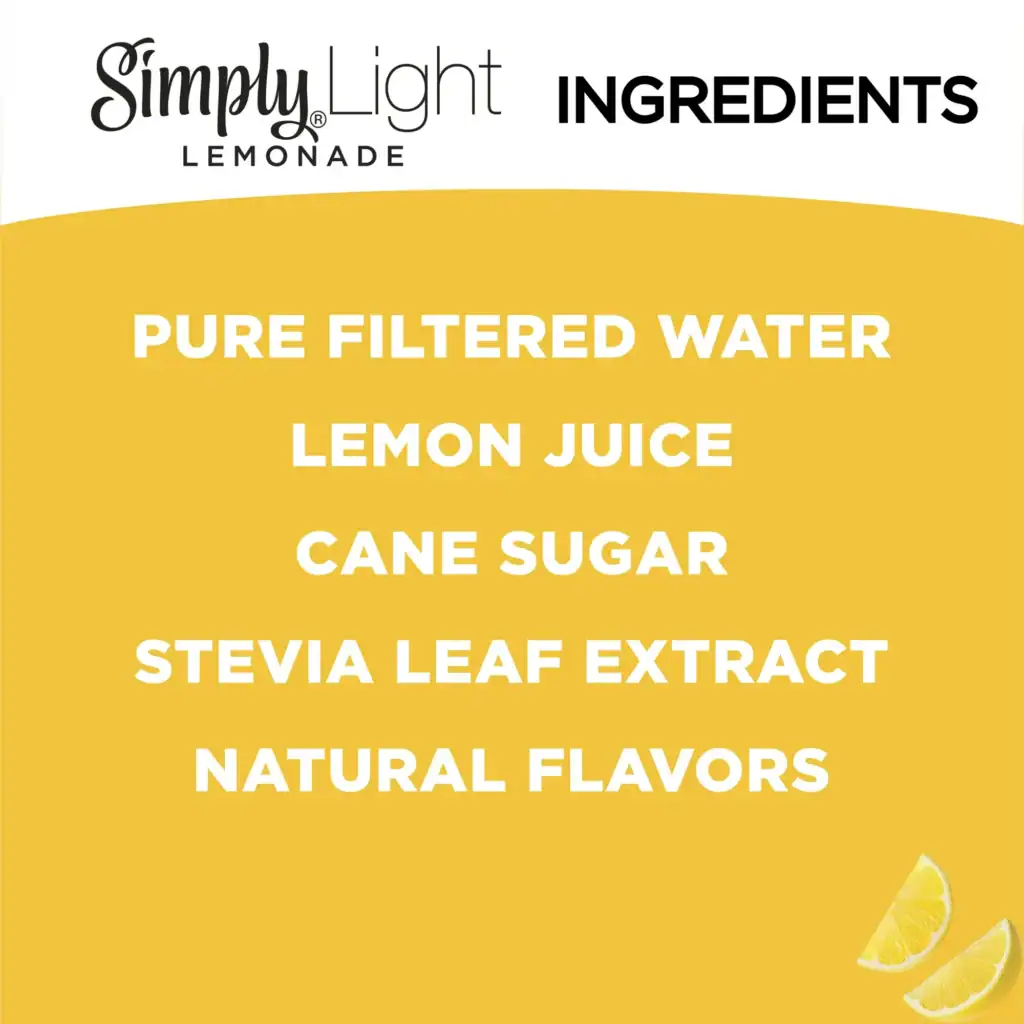
#4. Simply Lemonade Light (least bad store option)
If you absolutely must buy something at the store, this is the least problematic option. Stevia doesn’t appear to disrupt gut bacteria the way aspartame does, and it has 75% less sugar. But you’re still getting minimal lemon juice and paying a premium for what’s essentially expensive flavored water.
#5. Simply Lemonade
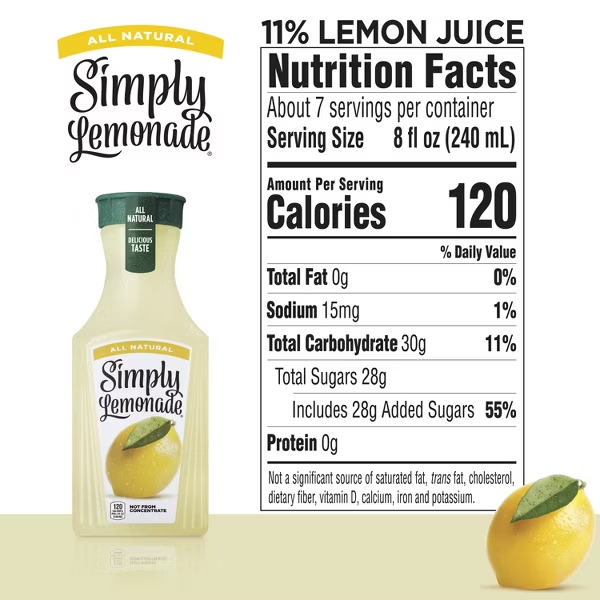
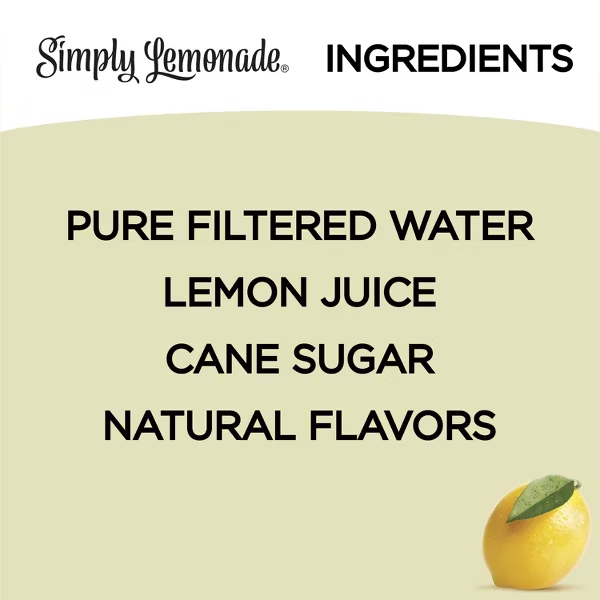
The cleanest label of the bunch — 11% actual lemon juice, no artificial sweeteners, no dyes. But it still contains 28 grams of added sugar per serving. That’s 7 teaspoons — the American Heart Association recommends no more than 6 teaspoons per day total for women. You’re using up your entire daily sugar budget in one glass. A product meant to help your blood sugar shouldn’t be spiking it.
#6. Minute Maid Lemonade
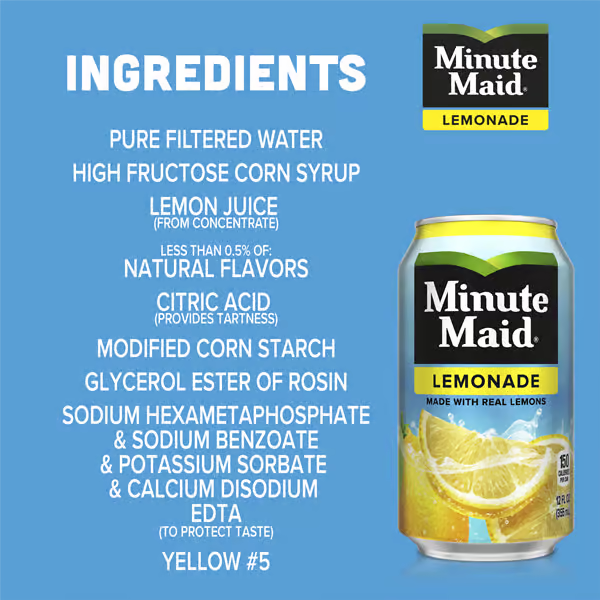
The 12% lemon juice is technically present — but it’s swimming in high-fructose corn syrup, which has been shown to promote insulin resistance and increase liver fat accumulation in clinical studies (5). And Yellow #5 (tartrazine) is banned in Austria and Norway due to health concerns. This product will raise your blood sugar, not lower it.
.
#7. Minute Maid Zero Sugar Lemonade
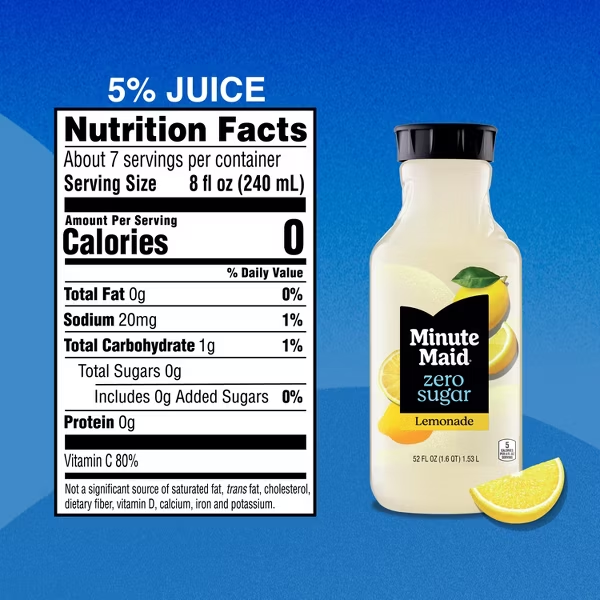
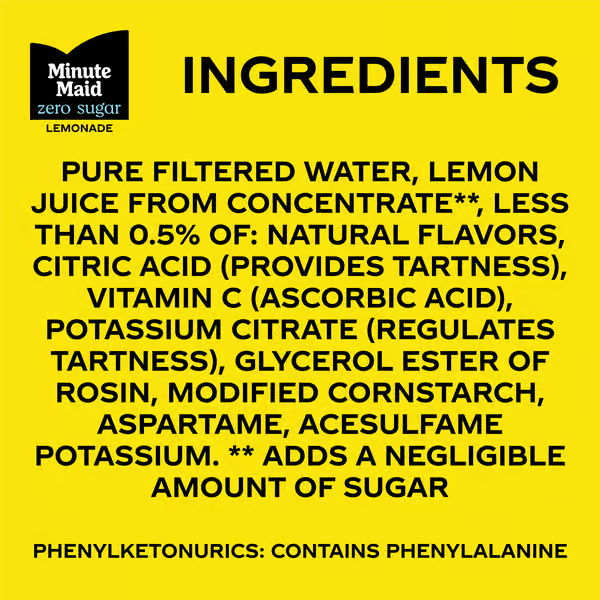
Better? Not really. Only 5% lemon juice — barely a trace. And it contains aspartame, which doesn’t spike blood sugar directly but has been shown in a landmark 2022 study in Cell to alter gut microbiome composition and promote glucose intolerance in humans (6). Your gut bacteria play an enormous role in blood sugar regulation and inflammation, so disrupting them is the opposite of helpful.
#8. Crystal Light Lemonade (worst offender)
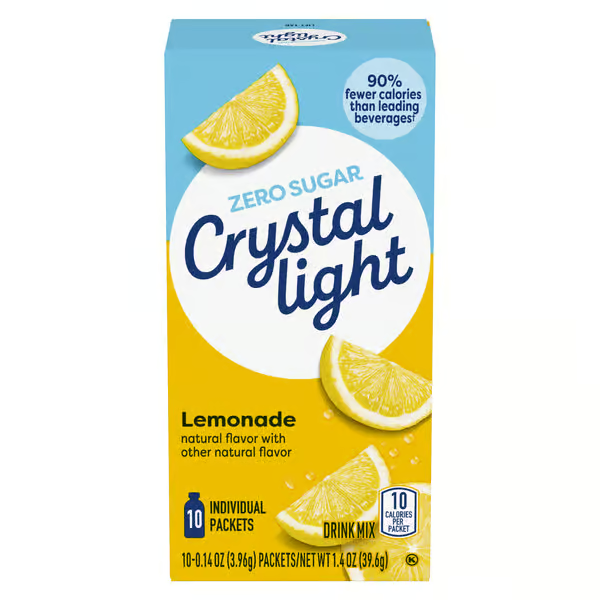
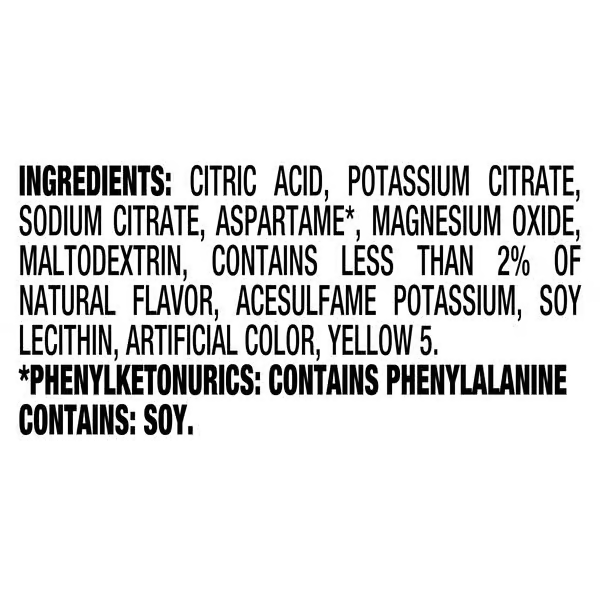
Zero percent actual lemon juice. Zero. It’s artificially flavored citric acid with aspartame and artificial dyes. It has a 730-day shelf life, which should tell you something about what’s in it. This product has absolutely nothing in common with actual lemon water.
Can Lemon Water Lower A1C? Where It Fits in the Bigger Picture
Lemon water is one habit. It’s not a treatment plan.
But consistently blunting post-meal blood sugar spikes — from something as simple as lemon juice with meals — adds up. Over weeks and months of gentler glucose rises, that means less insulin demand and less of the inflammation that drives insulin resistance. A1C measures your average blood sugar over 2–3 months. Small, consistent changes to post-meal spikes are exactly how that number moves.
If you’re also eating fermented foods, reducing inflammatory foods, and following an anti-inflammatory eating pattern, lemon water fits right into that approach. The Dietary Inflammatory Index is a useful framework for understanding how your overall pattern scores on the inflammation spectrum. Lemon water won’t move the needle alone — but as part of a pattern that’s already working, it makes a good thing better.
FAQ: Lemon Water, Blood Sugar, and A1C
Does lemon water help with insulin resistance? The acidity slows starch digestion, which means your body needs less insulin to handle the same meal. Lemons also contain hesperidin, an anti-inflammatory compound that may help address the chronic inflammation driving insulin resistance (3). It’s not a cure, but it’s a low-risk strategy that supports the bigger picture — especially alongside an anti-inflammatory eating pattern.
How much lemon water should I drink per day for blood sugar benefits? Half a lemon in water with each starchy meal. The clinical trial used about 125 ml of lemon juice (roughly ½ cup), but consistency matters more than volume — daily use with meals will do more than an occasional large dose.
Can I use apple cider vinegar instead of lemon juice for blood sugar? Yes. Same mechanism — the acid slows the same starch-digesting enzyme. Lemon juice has the edge on taste and provides hesperidin and vitamin C, but either works. Use whichever one you’ll stick with.
Will lemon water lower my A1C directly? No single food will dramatically move your A1C. But consistently blunting post-meal spikes — which is what lemon juice does — contributes to a lower average blood sugar over time. That’s exactly what A1C measures.
Is bottled lemon juice as effective as fresh for blood sugar? The clinical trial actually used commercial bottled lemon juice, not fresh-squeezed — so yes. If it’s 100% lemon juice with no additives (like Lakewood Organic), the acidity is the same and you’ll get a similar effect. Fresh lemons or the freezer method give you a slight edge because the peel contains hesperidin. But bottled is far better than no lemon juice at all.
Does lemon water reduce appetite or cravings? The same clinical trial tested whether lemon juice affected how much people ate at their next meal three hours later — and it didn’t (1). So lemon water’s benefit is specifically about slowing the blood sugar spike, not about appetite suppression. If you’ve seen claims that it “kills cravings,” the data doesn’t support that.
References (click to expand)
- Freitas, D., et al. (2021). Lemon juice, but not tea, reduces the glycemic response to bread in healthy volunteers: a randomized crossover trial. European Journal of Nutrition, 60, 113–122. https://doi.org/10.1007/s00394-020-02228-x
- Freitas, D., et al. (2022). Glycemic response, satiety, gastric secretions and emptying after bread consumption with water, tea or lemon juice: a randomized crossover intervention using MRI. European Journal of Nutrition, 61(3), 1621–1636. https://pubmed.ncbi.nlm.nih.gov/35013789/
- Parhiz, H., et al. (2015). Antioxidant and anti-inflammatory properties of the citrus flavonoids hesperidin and hesperetin: An updated review of their molecular mechanisms and experimental models. Phytotherapy Research, 29(3), 323–331. https://doi.org/10.1016/j.phymed.2015.01.010
- Harnessing anti-inflammatory properties of polyphenols as a potential strategy for managing inflammatory conditions. (2024). Nutrients, 16(11), 1613. https://doi.org/10.3390/nu16111613
- Jensen, T., et al. (2018). Fructose and sugar: A major mediator of non-alcoholic fatty liver disease. Journal of Nutrition, 148(4), 586–593. https://doi.org/10.1093/jn/nxy047
- Suez, J., et al. (2022). Personalized microbiome-driven effects of non-nutritive sweeteners on human glucose tolerance. Cell, 185(18), 3307–3328. https://doi.org/10.1016/j.cell.2022.07.016
This article is for educational purposes and should not replace medical advice. If you’re managing diabetes or pre-diabetes, work with your healthcare team to develop a comprehensive plan. Not sure how to bring up nutrition with your doctor? I have a guide for that: How to talk to your doctor about anti-inflammatory nutrition.