Anti-Inflammatory Diet for Fibromyalgia: What Helps, What Hurts, and Where to Start
An Evidence-Based Guide from a Registered Dietitian — For When Your Body Hurts and Nobody Can Tell You Why
If you’ve been diagnosed with fibromyalgia — or if you suspect you have it but are still waiting for someone to take your symptoms seriously — I want to start by saying something you may not have heard enough: this is real. Your pain is real. Your fatigue is real. The brain fog, the sleep disruption, the fact that some days you wake up feeling like you ran a marathon in your sleep — all of it is real.
Fibromyalgia is one of the most common chronic pain conditions, affecting an estimated 2-4% of the population, with women disproportionately affected — particularly during and after midlife hormonal transitions. And it’s one of the most underserved conditions in conventional medicine, with only three FDA-approved medications, all of which have limited efficacy for many patients (Galvez-Sánchez & Reyes del Paso, 2024).
Here’s what your doctor may not have had time to explain: growing evidence links fibromyalgia to chronic neuroinflammation and systemic inflammatory imbalance — and that means what you eat and how you live may influence your symptoms in ways that medications alone cannot address.
This isn’t about replacing your medical care. It’s about adding tools to your kit that work alongside whatever your healthcare team recommends.
Short on Time? Start With These Three Things.
- Shift toward a Mediterranean-style eating pattern — emphasize fruits, vegetables,
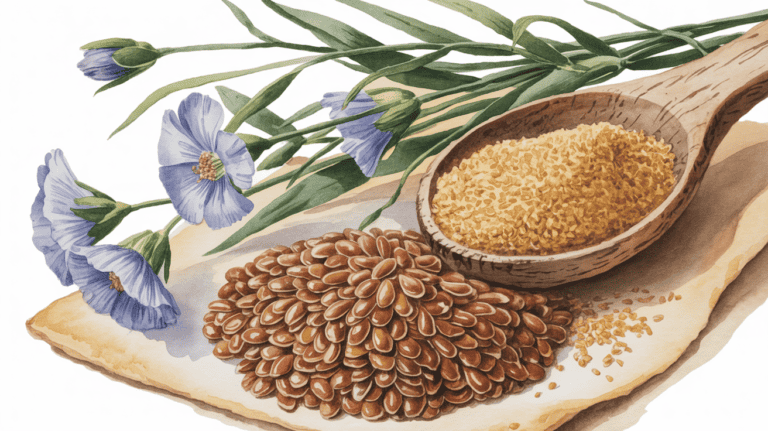
olive oil , fish, and whole grains. A 2024 clinical trial found this approach significantly improved disability scores, fatigue, and anxiety in fibromyalgia patients.- Add omega-3 rich foods 2-3 times per week — salmon, sardines, ground flaxseed, or walnuts. Omega-3s have documented anti-inflammatory effects that may reduce pain signaling.
- Check your vitamin D level — deficiency is common in fibromyalgia patients and supplementation has been shown to reduce pain when levels are low.
Start with these. Then come back when you’re ready.
This post may contain affiliate links to products that align with my evidence-based nutrition approach. As an Amazon Associate I earn from qualifying purchases. Full disclosure.
What Is Fibromyalgia, and Why Does Everything Hurt?
Fibromyalgia is classified as a nociplastic pain disorder — which means the pain isn’t caused by tissue damage (like a broken bone) or nerve injury (like sciatica). Instead, the central nervous system amplifies pain signals. Think of it like a volume knob for pain that’s been turned up: stimuli that wouldn’t bother most people — light pressure, moderate temperature changes, normal daily activity — register as painful.
The most common symptoms include widespread musculoskeletal pain, fatigue that sleep doesn’t resolve, cognitive difficulties (commonly called “fibro fog”), sleep disruption, and heightened sensitivity to stimuli. Many people with fibromyalgia also experience gut issues like IBS, headaches, mood changes, and painful menstrual periods.
For decades, fibromyalgia was poorly understood and frequently dismissed. But the research picture has become much clearer in recent years.
The Inflammation Connection
Here’s the part most people aren’t told: while fibromyalgia isn’t a classic inflammatory disease like rheumatoid arthritis, there is growing evidence of an inflammatory component.
A 2025 cross-sectional study in Pain Medicine found that fibromyalgia patients with more pro-inflammatory dietary patterns had significantly higher pain levels, worse disease severity, and elevated inflammatory biomarkers compared to those with more anti-inflammatory diets (Gencer-Atalay et al., 2025). This study measured the Dietary Inflammatory Index and found a direct correlation between dietary inflammation and clinical fibromyalgia outcomes.
Research has also identified elevated levels of pro-inflammatory cytokines (IL-6, IL-8, TNF-α) in fibromyalgia patients, suggesting that while the primary mechanism is central sensitization, inflammation plays a supporting — and potentially modifiable — role.
A 2024 comprehensive review in Current Rheumatology Reports concluded that the release of pro-inflammatory cytokines from certain foods can activate pain pathways and aggravate the majority of fibromyalgia symptoms, and that dietary and lifestyle modification should be considered an important component of management (Galvez-Sánchez & Reyes del Paso, 2024).
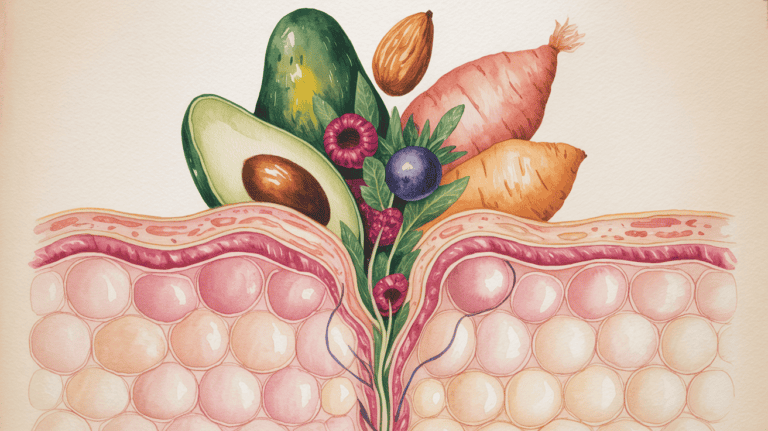
This is why dietary approaches matter here — not because food “cures” fibromyalgia, but because reducing systemic inflammation may quiet some of the signals that amplify pain.
What Does the Research Say About Diet and Fibromyalgia?
The honest answer: the evidence is growing but not yet definitive. Most studies are small, and we’re still waiting for large-scale RCTs. But the direction of the evidence is consistent and promising.
The Mediterranean Diet: The Strongest Evidence
A 2024 randomized controlled trial of 100 fibromyalgia patients compared a personalized Mediterranean diet to a general balanced diet over 8 weeks. The Mediterranean diet group showed significant improvements in disability scores, fatigue, and anxiety — improvements that were not seen in the general diet group (Casini et al., 2024).
A 2025 systematic review specifically examined the Mediterranean diet’s anti-inflammatory and low-antigenic properties in relation to fibromyalgia, concluding that the diet’s combination of omega-3 fatty acids, polyphenols, antioxidants, and fiber works through multiple mechanisms to reduce inflammatory load in fibromyalgia patients (Miller et al., 2025).
Why does this dietary pattern keep showing up? The Mediterranean diet is, at its core, an anti-inflammatory eating pattern. The omega-9 fatty acid oleic acid in
I explain how the Dietary Inflammatory Index scores these effects in a separate article — it’s a useful framework for understanding why certain foods consistently help.
Other Dietary Approaches With Research Support
Plant-forward diets: Vegetarian and vegan diets have shown promise in small studies, likely because they reduce overall inflammatory load. One study found that a vegan diet over three months improved pain and quality of life compared to an omnivorous diet. The anti-inflammatory mechanism is the key — not the label.
Low-FODMAP diet: Because so many fibromyalgia patients also have IBS symptoms, a low-FODMAP approach can help identify gut-related triggers. This isn’t an anti-inflammatory diet per se, but reducing gut inflammation and distress can improve overall symptom burden.
Gluten-free diet: Some fibromyalgia patients report improvement on a gluten-free diet, even without a celiac diagnosis. This is an area where the evidence is mixed, and I’d suggest working with a dietitian before eliminating entire food groups. Non-celiac gluten sensitivity does exist and may involve inflammatory mechanisms, but it’s not universal in fibromyalgia.
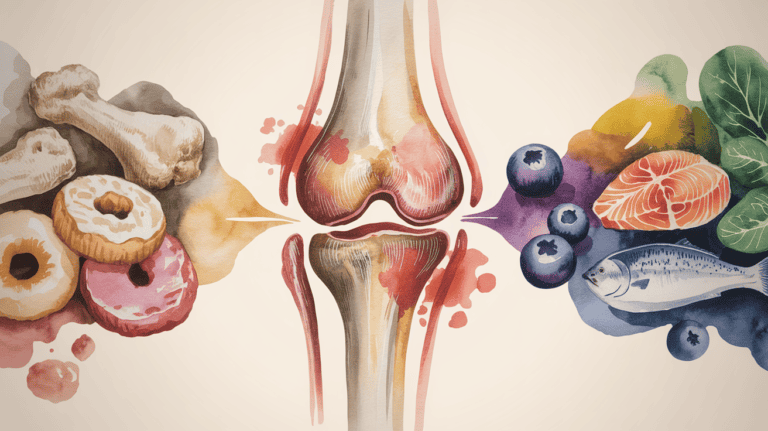
The common thread across all dietary approaches that help fibromyalgia is anti-inflammatory principles: more omega-3s, more polyphenols, more fiber, more whole foods — and less ultra-processed food, less added sugar, and less refined carbohydrates. The specific dietary “label” matters less than the underlying anti-inflammatory pattern.
Key Nutrients and Supplements for Fibromyalgia
Vitamin D
Vitamin D deficiency is significantly more common in fibromyalgia patients than in the general population. Multiple studies have shown that supplementation can reduce pain when levels are low. The mechanism makes sense: vitamin D counterbalances NF-κB activity, which means it has direct anti-inflammatory properties.
What to do: Ask your doctor to check your 25-hydroxyvitamin D level. Optimal range for pain management is generally considered 40-60 ng/mL. Most people with deficiency benefit from 2,000-4,000 IU daily, but your dose should be based on your blood level.
A good option: NatureWise Vitamin D3 5000 IU — each softgel contains
Magnesium
Magnesium deficiency is common in fibromyalgia and is associated with increased pain sensitivity, muscle tension, and poor sleep — all hallmarks of the condition. Magnesium also plays a role in regulating neuroinflammation and reducing excitatory neurotransmitter activity.
What to do: Consider 200-400 mg of magnesium glycinate or magnesium citrate before bed. Glycinate is particularly well-tolerated and may support sleep quality. Doctor’s Best High Absorption Magnesium is a reliable chelated form.
Omega-3 Fatty Acids
The anti-inflammatory effects of EPA and DHA are well-established. In fibromyalgia specifically, omega-3 supplementation may help reduce pain signaling and improve mood — since depression and anxiety frequently accompany the condition.
What to do: Aim for at least 1,000 mg combined EPA/DHA daily, ideally from a combination of dietary sources (fatty fish 2-3 times per week, ground flaxseed daily) and supplementation.
Coenzyme Q10 (CoQ10)
CoQ10 is an antioxidant that supports mitochondrial function — and mitochondrial dysfunction has been proposed as one factor contributing to fibromyalgia fatigue. Several small studies have shown improvements in pain, fatigue, and tender points with CoQ10 supplementation.
What to do: 100-300 mg daily with a meal containing fat for better absorption. The ubiquinol form is better absorbed than ubiquinone.
Probiotics
The gut-brain connection is particularly relevant in fibromyalgia, where gut symptoms frequently overlap with pain symptoms. Early research suggests that probiotics may help modulate both gut health and systemic inflammation. If you experience GI symptoms alongside fibromyalgia, supporting your microbiome through fermented foods and a probiotic supplement is a reasonable approach.
Beyond Diet: Lifestyle Strategies That Matter
Movement
This is going to sound counterintuitive when everything hurts, but exercise is currently considered the most effective non-pharmacological treatment for fibromyalgia. The key is the type and intensity.
Research supports:
– Low-impact aerobic exercise — walking, swimming, cycling, water aerobics — 20-30 minutes, three times per week minimum
– Yoga and tai chi — these combine gentle movement with breathing and mindfulness, and both have shown specific benefits for fibromyalgia pain and function
– Resistance training — at manageable intensity, helps preserve muscle function and may reduce pain sensitivity over time
The critical principle: start low and go slow. Begin well below what you think you can do. Increase gradually. If a session triggers a flare, scale back — don’t stop entirely. Consistency matters more than intensity.
Sleep
Disrupted sleep is both a symptom and an accelerant of fibromyalgia. Poor sleep increases pain sensitivity, worsens brain fog, and raises inflammatory markers — creating a cycle that feeds itself.
Sleep hygiene matters more here than in almost any other condition:
– Consistent sleep and wake times (even on weekends)
– Cool, dark, quiet bedroom
– No caffeine after noon
– Limit screens an hour before bed
– Consider tart cherry juice as a natural melatonin source — 8 oz of tart cherry juice twice daily has shown sleep benefits in clinical studies
If you suspect sleep apnea, get evaluated. It’s underdiagnosed in women and can significantly worsen fibromyalgia symptoms.
Stress Management
Emotional stress is a well-documented trigger for fibromyalgia flares. The mechanism is physiological, not psychological: stress raises cortisol and inflammatory cytokines, which lower your pain threshold.
Evidence-based approaches:
– Cognitive behavioral therapy (CBT) — specifically validated for fibromyalgia pain management
– Mindfulness-based stress reduction (MBSR) — 8-week programs have shown meaningful improvements in fibromyalgia symptoms
– Deep breathing and progressive muscle relaxation — daily practice reduces sympathetic nervous system activation
A Practical Starting Framework
If you have fibromyalgia and want to use nutrition as part of your management plan, here’s a realistic approach:
| Time Frame | Action |
|---|---|
| Week 1-2 | Add 2+ servings of colorful produce daily. Switch cooking oil to extra virgin |
| Week 3-4 | Add fatty fish 2x per week. Begin magnesium glycinate before bed. Check vitamin D level with your doctor. |
| Month 2 | Reduce ultra-processed food by replacing (not just removing). Add fermented food daily. Try a 15-minute daily walk or gentle yoga routine. |
| Month 3 | Assess symptom changes. Consider a 7-day anti-inflammatory meal plan for more structure. Talk to your doctor about checking inflammatory markers. |
What This Won’t Do (An Honesty Moment)
An anti-inflammatory diet will not cure fibromyalgia. If anyone tells you otherwise, be skeptical.
What it can do, based on the current evidence, is reduce the inflammatory component of the condition, potentially improve fatigue and mood, support better sleep, and give you a sense of agency over a condition that often feels uncontrollable.
Many women with fibromyalgia have spent years being told their symptoms are stress, anxiety, or “just part of aging.” If that’s been your experience, I want you to know: the emerging science is validating what you’ve known all along — something is genuinely happening in your body, and the inflammatory drivers of that something are modifiable.
You deserve to know this option exists. And you deserve a plan that starts where you actually are — not where a textbook thinks you should be.
What’s the one change you’ll try this week?
This content is for educational purposes and is not a substitute for individualized medical advice. Fibromyalgia management often requires a multidisciplinary approach including your physician, a mental health professional, a physical therapist, and a dietitian. Need help starting that conversation? I have a guide on how to talk to your doctor about anti-inflammatory nutrition.
References (click to expand)
Casini, I., Ladisa, V., Clemente, L., Delussi, M., Rostanzo, E., Peparini, S., Aloisi, A. M., & de Tommaso, M. (2024). A personalized Mediterranean diet improves pain and quality of life in patients with fibromyalgia. *Pain and Therapy*, 13(3), 609-620. [https://doi.org/10.1007/s40122-024-00598-2](https://doi.org/10.1007/s40122-024-00598-2)
Galvez-Sánchez, C. M., & Reyes del Paso, G. A. (2024). Diet and lifestyle modifications for fibromyalgia. *Current Rheumatology Reports*. [https://doi.org/10.2174/1573397124000240416093658](https://doi.org/10.2174/1573397124000240416093658)
Gencer-Atalay, K., et al. (2025). Proinflammatory diet is associated with higher pain, disease severity and biochemical parameters associated with inflammation in fibromyalgia. *Pain Medicine*, 26(3), 131. [https://doi.org/10.1093/pm/pnae097](https://doi.org/10.1093/pm/pnae097)
Miller, E. E., et al. (2025). Mediterranean diet and its low-antigenic and anti-inflammatory properties on fibromyalgia: A systematic review. *Clinical and Experimental Rheumatology*. [https://www.clinexprheumatol.org/abstract.asp?a=21783](https://www.clinexprheumatol.org/abstract.asp?a=21783)
Sala-Climent, M., et al. (2023). The effect of an anti-inflammatory diet on chronic pain: A pilot study. *Frontiers in Nutrition*, 10, 1205526. [https://doi.org/10.3389/fnut.2023.1205526](https://doi.org/10.3389/fnut.2023.1205526)