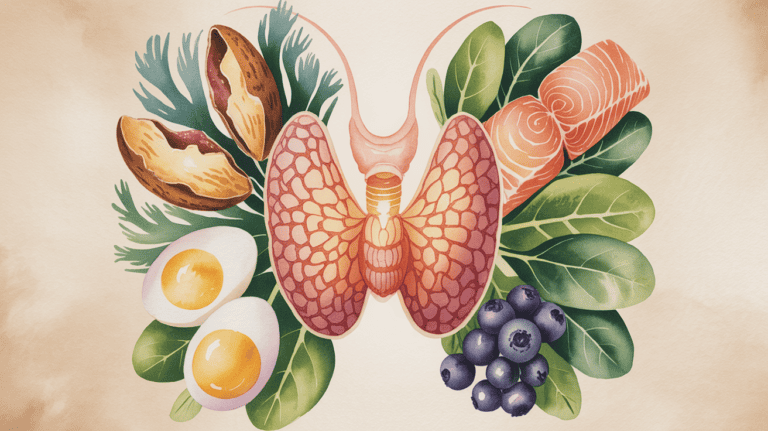
High Blood Pressure and Inflammation: The Dietary Approach That Works With (or Without) Medication
A Registered Dietitian’s Evidence-Based Guide to Managing Blood Pressure Through Anti-Inflammatory Nutrition
If you’ve been told your blood pressure is “a little high” — or handed a prescription without much explanation — you’re probably wondering what you can actually do about it. Especially if this is new. Especially if you’ve always been “healthy.”
Here’s what most women aren’t told: blood pressure doesn’t just rise because of salt or stress. One of the most significant drivers is chronic, low-grade inflammation — the kind that quietly damages your blood vessel lining over months and years before it ever shows up on a reading. And if you’re in your 40s or 50s, hormonal changes during perimenopause make this connection even more relevant.
You’re not imagining that your body feels different. And you deserve more than “cut the salt and come back in three months.”
Short on Time? Do These Three Things First.
1. Add a daily serving of leafy greens (spinach, kale, arugula) — these are rich in nitrates that support healthy blood vessel function.
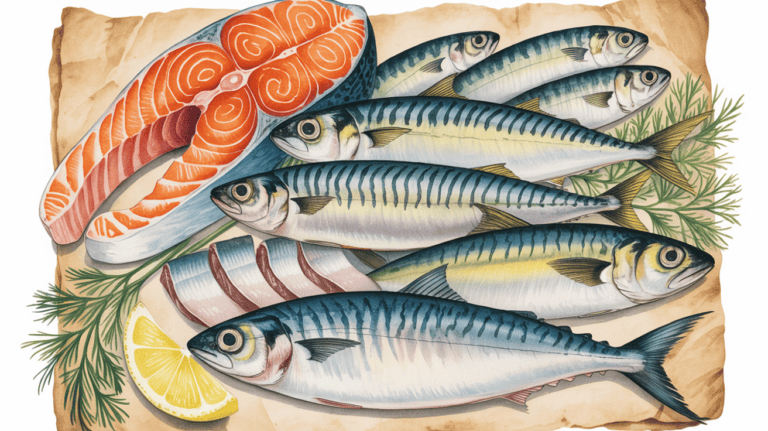
2. Include fatty fish twice a week (salmon, sardines, mackerel) for omega-3s that calm vascular inflammation.
3. Swap processed snacks for a handful of unsalted walnuts or pistachios — both are linked to blood pressure improvements in clinical trials.
Start with these. Then come back when you’re ready.
This post may contain affiliate links to products that align with my evidence-based nutrition approach. As an Amazon Associate I earn from qualifying purchases. Full disclosure.
What’s Actually Happening Inside Your Blood Vessels
To understand why blood pressure rises, it helps to understand what keeps it healthy. Your blood vessels are lined with a thin layer of cells called the endothelium — think of it as the Teflon coating inside your arteries. When this lining is healthy, it produces nitric oxide, a compound that keeps blood vessels flexible and relaxed.
When inflammation enters the picture, that lining stops functioning properly. A 2024 review in MedComm described how chronic inflammation reduces nitric oxide availability, increases oxidative stress, and shifts the endothelium from a protective state to one that promotes vasoconstriction, stiffness, and further inflammation (Wang et al., 2024). In simpler terms, inflamed blood vessels get stiffer, narrower, and less responsive. Your heart has to work harder to push blood through. That’s elevated blood pressure.
This is why addressing inflammation isn’t just a nice add-on to blood pressure management — it goes directly to the mechanism driving the problem.
Why Blood Pressure Changes in Midlife — and Why Women Are Uniquely Affected
Here’s something your doctor may not have connected for you: the hormonal shifts of perimenopause directly affect your cardiovascular system. Estrogen helps keep blood vessels flexible by promoting nitric oxide production and reducing oxidative stress. As estrogen declines, blood vessels lose that protective effect.
A 2024 review in Current Heart Failure Reports confirmed that estrogen deficiency increases vascular resistance, activates the renin-angiotensin system, and promotes endothelial dysfunction — all pathways that raise blood pressure (Lip et al., 2024). Cross-sectional studies suggest that menopause approximately doubles the risk of developing hypertension, even after adjusting for age and body weight.
This means that if your blood pressure started creeping up in your mid-40s, it’s not just “getting older.” There’s a specific physiological explanation — and understanding it changes what you can do about it.
If you’re navigating perimenopause, I wrote a full breakdown of how this transition drives inflammation across your entire body in my guide to perimenopause as an inflammatory event.
The Anti-Inflammatory Diets That Lower Blood Pressure — and Why They Work
Two dietary patterns have the strongest evidence for blood pressure reduction: the DASH diet and the Mediterranean diet. What’s fascinating is that they work through overlapping mechanisms — and both are fundamentally anti-inflammatory.
The DASH diet (Dietary Approaches to Stop Hypertension) emphasizes fruits, vegetables, whole grains, lean proteins, and low-fat dairy while reducing sodium. A meta-analysis of 30 randomized controlled trials found that the DASH diet reduces systolic blood pressure by approximately 3–7 mmHg and diastolic by 2–4 mmHg compared to control diets (Filippou et al., 2020). That magnitude of reduction is comparable to what some first-line blood pressure medications achieve.
The Mediterranean diet shares many of the same components — abundant produce, whole grains, legumes, fish, and
Here’s the key insight: both diets work because they’re anti-inflammatory at their core. They reduce inflammatory markers like CRP and IL-6, improve endothelial function, and provide the minerals — potassium, magnesium, calcium — that directly support blood vessel relaxation. As I explain in my article on the Dietary Inflammatory Index, the overall inflammatory quality of your diet matters more than any single nutrient.
The Foods That Make the Biggest Difference
Rather than counting milligrams of sodium (though moderating salt intake does help), focus on adding these anti-inflammatory, blood pressure–supporting foods:
| Food Category | Why It Helps | How Much |
|---|---|---|
| Leafy greens (spinach, arugula, kale) | Rich in dietary nitrates that convert to nitric oxide | 1–2 servings daily |
| Fatty fish (salmon, sardines, mackerel) | Omega-3s reduce vascular inflammation and improve endothelial function | 2–3 servings per week |
| Beets and beet juice | High in nitrates; shown to lower systolic BP by 3–10 mmHg in trials | 1 cup beet juice or 1 cooked beet several times per week |
| Berries (blueberries, strawberries) | Anthocyanins improve arterial flexibility and reduce oxidative stress | 1 cup daily |
| Nuts (walnuts, pistachios) | Polyphenols and healthy fats support vascular health | 1 oz (small handful) daily |
| Legumes (lentils, chickpeas, beans) | Potassium, magnesium, and fiber in one package | 3–4 servings per week |
| Olive oil (extra virgin) | Oleocanthal has anti-inflammatory effects comparable to ibuprofen | 2–3 tablespoons daily |
| Ground flaxseed | One of the most potent blood pressure–lowering foods studied | 2 tablespoons daily |
That last one deserves extra attention. A randomized, double-blind, placebo-controlled trial found that consuming 30 grams of ground flaxseed daily reduced systolic blood pressure by approximately 10 mmHg over six months — one of the largest dietary effects ever documented for a single food. I cover the full science behind this in my guide to ground flaxseed.
What About Salt?
Sodium restriction does matter — but it’s not the whole story. Reducing sodium intake from the typical American 3,400+ mg per day to around 2,300 mg (or ideally 1,500 mg for those with hypertension) can lower systolic blood pressure by 2–8 mmHg. But here’s what’s often missed: the ratio of sodium to potassium matters more than sodium alone.
Most Americans consume only about half the recommended potassium. Increasing potassium intake through fruits, vegetables, and legumes helps your kidneys excrete excess sodium and directly relaxes blood vessel walls. This is why the DASH and Mediterranean diets are so effective — they naturally increase potassium while moderating sodium.
The takeaway: Focus less on what you’re removing (salt) and more on what you’re adding (potassium-rich, anti-inflammatory whole foods). The dietary pattern matters more than any single nutrient.
Supplements Worth Considering
A few supplements have evidence specifically for blood pressure support:
Magnesium glycinate — Magnesium helps relax blood vessel smooth muscle. Many women in midlife are deficient, which can contribute to both blood pressure elevation and muscle cramps. A dose of 200–400 mg daily is well-supported. I recommend Doctor’s Best Magnesium Glycinate for its high absorption and gentle digestibility.
Omega-3 fatty acids — If you’re not consistently eating fatty fish, a quality fish oil supplement providing at least 1,000 mg combined EPA/DHA daily can support vascular health. Nordic Naturals Ultimate Omega is my go-to recommendation for purity and potency.
Coenzyme Q10 (CoQ10) — Some evidence suggests 100–200 mg daily may modestly reduce blood pressure, particularly in people already on statins (which deplete CoQ10).
Always discuss supplements with your healthcare provider, especially if you’re taking blood pressure medication — some supplements can interact with pharmaceuticals. For guidance on navigating those conversations, see my article on how to talk to your doctor about anti-inflammatory nutrition.
Lifestyle Factors That Compound the Effect
Diet is powerful, but it works best alongside other anti-inflammatory habits:
Movement doesn’t have to be intense. A 2023 meta-analysis found that regular moderate exercise (like a 30-minute daily walk) can reduce systolic blood pressure by 5–8 mmHg — comparable to many first-line medications. The key is consistency, not intensity.
Sleep quality matters more than most people realize. Poor sleep increases cortisol and inflammatory markers, both of which raise blood pressure. If you’re struggling with sleep during perimenopause, tart cherry juice is one evidence-backed option worth exploring.
Stress management is not optional. Chronic stress activates the sympathetic nervous system and raises cortisol, both of which directly elevate blood pressure. Even five minutes of deep breathing or a brief daily walk can measurably lower stress-related blood pressure spikes.
When You’re Already on Medication
If you’ve been prescribed blood pressure medication, anti-inflammatory dietary changes don’t replace it — they amplify it. Many physicians find that patients who make meaningful dietary changes can reduce their medication dosage over time, under medical supervision. That’s a conversation worth having with your provider.
The goal isn’t to choose between food and medication. It’s to give your body every advantage — and to address the underlying inflammation that’s driving your blood pressure up in the first place.
Where to Start This Week
You don’t have to overhaul your entire diet overnight. Start with one change:
Add a daily serving of leafy greens, or swap your afternoon snack for a handful of walnuts, or try two tablespoons of ground flaxseed in your morning smoothie. Build from there. If you want a structured plan, my 7-day anti-inflammatory meal plan includes many of these blood pressure–supporting foods and takes the guesswork out of your week.
Your blood pressure didn’t rise overnight, and it won’t normalize overnight. But the evidence is clear that anti-inflammatory dietary patterns can produce meaningful, measurable improvements — often within weeks. You have more power here than you’ve been told.
What’s the one thing you’ll try this week?
This information is for educational purposes and is not a substitute for personalized medical advice. If you have high blood pressure, work with your healthcare provider to develop a treatment plan that’s right for you. For guidance on how to have that conversation, see my guide on how to talk to your doctor about anti-inflammatory nutrition for menopause.
References (click to expand)
Filippou, C. D., Thomopoulos, C. G., Konstantinidis, D. K., et al. (2020). Dietary Approaches to Stop Hypertension (DASH) diet and blood pressure reduction in adults with and without hypertension: A systematic review and meta-analysis of randomized controlled trials. *Advances in Nutrition*, 11(5), 1150–1160. https://doi.org/10.1093/advances/nmaa041
Filippou, C. D., Thomopoulos, C., Konstantinidis, D. K., et al. (2024). Effect of DASH vs. Mediterranean diet on metabolic syndrome and cardiometabolic profile in adults with high normal blood pressure or grade 1 hypertension: The DASH-MedDiet randomized controlled trial. *European Heart Journal*, 45(Supplement_1), ehae666.2577. https://doi.org/10.1093/eurheartj/ehae666.2577
Lip, G. Y. H., et al. (2024). The pathophysiology, prognosis and treatment of hypertension in females from pregnancy to post-menopause: A review. *Current Heart Failure Reports*, 21(4), 322–336. https://doi.org/10.1007/s11897-024-00672-y
Schiffrin, E. L. (2024). Immune and metabolic mechanisms of endothelial dysfunction. *International Journal of Molecular Sciences*, 25(24), 13337. https://doi.org/10.3390/ijms252413337
Wang, Y., et al. (2024). Endothelial dysfunction: Molecular mechanisms and clinical implications. *MedComm*, 5(8), e651. https://doi.org/10.1002/mco2.651
Neth Heart J. (2009). Women’s health in menopause with a focus on hypertension. *Netherlands Heart Journal*, 17(2), 68–72. https://doi.org/10.1007/BF03086220