Anti-Inflammatory Diet for Chronic Pain: What Actually Helps (and What Doesn’t)
A Registered Dietitian’s Evidence-Based Guide to Managing Chronic Pain Through Nutrition
If you’re living with chronic pain, you’ve probably tried everything your doctor has suggested — and maybe a few things they haven’t. The medications help sometimes. But the side effects, the dependency concerns, the nagging feeling that you’re managing symptoms without touching the root problem — that’s exhausting in a way that pain itself doesn’t fully account for.
Here’s what’s worth knowing: chronic pain affects roughly one in five adults in the United States, and a growing body of research shows that what you eat — and what you don’t eat — can meaningfully influence how much pain you experience. Not because food is a substitute for medical care, but because chronic pain and chronic inflammation are deeply intertwined. And an anti-inflammatory diet is one of the most powerful tools you have for shifting the inflammatory environment in your body.
This isn’t about miracle cures or food-as-medicine hype. It’s about the real, evidence-based ways that anti-inflammatory nutrition can complement your existing pain management plan.
Short on Time? Do These Three Things First.
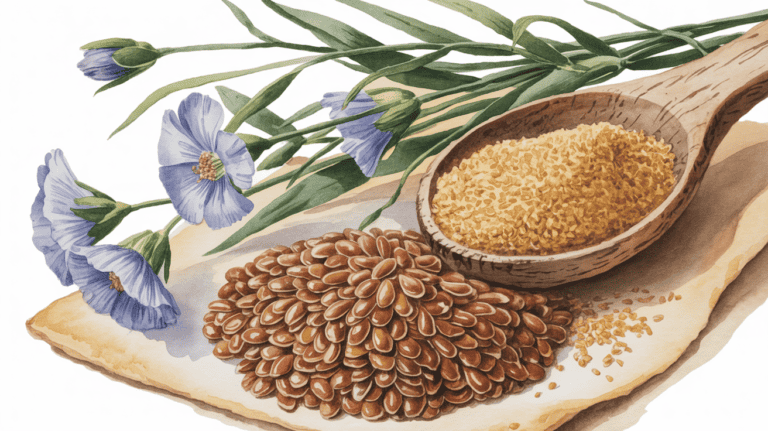
- Add omega-3-rich foods (salmon, sardines, walnuts, ground flaxseed) — a 2025 meta-analysis of 41 clinical trials found omega-3s produced clinically meaningful pain reduction.
- Reduce ultra-processed foods and added sugars — they increase the inflammatory compounds that make your body more sensitive to pain.
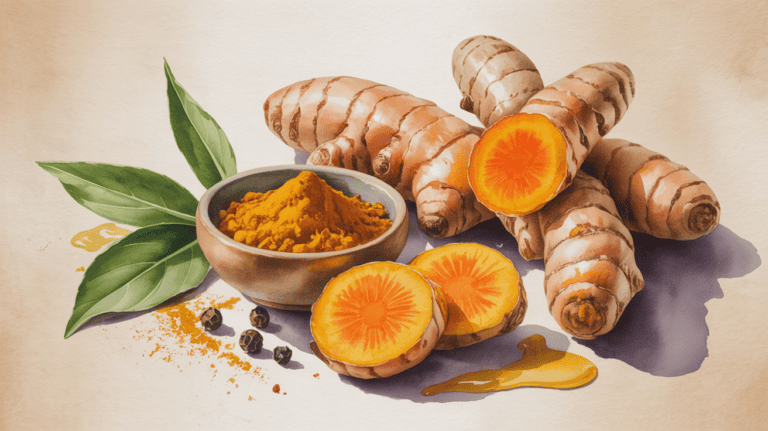
- Add turmeric to your cooking (with black pepper for absorption) — curcumin, its active compound, targets inflammation through the same mechanisms as ibuprofen.
Start with these. Give them four to six weeks. Then come back when you’re ready.
This post may contain affiliate links to products that align with my evidence-based nutrition approach. As an Amazon Associate I earn from qualifying purchases. Full disclosure.
Why Chronic Pain and Inflammation Are Connected
Chronic pain — defined as pain lasting more than three months — isn’t just about tissue damage. It involves changes in how your nervous system processes pain signals, a process called central sensitization. Think of it like a volume knob on a speaker that’s gotten stuck on high. The original signal might be mild, but your nervous system amplifies it until the experience becomes overwhelming.
Here’s where it gets relevant to what you eat: inflammation plays a direct role in driving that sensitization.
When inflammation is running in the background, your body produces compounds that make your pain receptors more sensitive — essentially lowering the threshold for what registers as pain. Things that shouldn’t hurt, do. Things that hurt a little, hurt a lot. And the specific inflammatory compounds driving this process? They’re the same ones that respond to what you eat.
A systematic review and meta-analysis in Pain Medicine analyzed whole-food dietary interventions for chronic pain and found statistically significant pain reduction across multiple conditions. Rather than identifying one “best diet,” the researchers found that the common thread across all successful approaches was their anti-inflammatory and antioxidant properties (1). A 2024 editorial in Frontiers in Nutrition reinforced these findings, highlighting that the evidence base has continued to grow across multiple dietary patterns and pain conditions (2).
This is why an anti-inflammatory diet for chronic pain isn’t a nice extra — it’s targeting one of the actual mechanisms driving your pain.
What the Research Says About Anti-Inflammatory Diets and Pain
The overall pattern
A 2025 review in Pain Management Nursing looked across 28 studies and found that the diets that actually helped chronic pain all had three things in common: they were nutrient-dense, anti-inflammatory, and rich in antioxidants. In practical terms, this means diets rich in fruits, vegetables, omega-3 fats, and whole foods — and low in processed foods, added sugars, and inflammatory oils (3).
The Mediterranean diet appears most frequently in the research and shows the most consistent benefits across different pain conditions. But the Mediterranean diet isn’t magic — it works because it’s naturally high in anti-inflammatory compounds and low in pro-inflammatory ones. Any dietary pattern that achieves this balance can help reduce chronic pain through nutrition.
Omega-3 fatty acids: the strongest single-nutrient evidence for pain relief
The most compelling evidence for a specific anti-inflammatory nutrient comes from omega-3 fatty acids. A large 2025 analysis pooled results from 41 clinical trials — nearly 4,000 people — and found that omega-3 supplementation produced a meaningful reduction in pain intensity. The effects were noticeable within a month and continued improving through six months (4).
Interestingly, moderate doses showed slightly larger effects than higher doses — more isn’t always better. And the benefits were particularly strong for rheumatoid arthritis and migraine. Here’s why omega-3s work: they change the raw materials your body uses to make inflammatory compounds. Instead of producing molecules that amplify pain, your body starts producing ones that actively calm inflammation down. It’s not just turning the volume down — it’s changing the song.
I cover the best food sources in my guide on the best fish for reducing inflammation. For supplementation, Nordic Naturals Ultimate Omega provides a well-absorbed, third-party tested option.
Anti-inflammatory spices with pain evidence
Turmeric/curcumin works on the same inflammatory pathways that ibuprofen targets — which is why the research on it is so compelling. The difference? It generally comes with fewer gastrointestinal side effects. Multiple clinical trials have shown curcumin benefits for arthritis pain specifically. I wrote a full guide on turmeric dosage and absorption for inflammation.
Ginger has demonstrated anti-inflammatory effects in several trials, particularly for osteoarthritis pain. It works through similar pathways as curcumin — calming the same inflammatory processes that drive joint pain.
Foods that increase chronic pain: what to reduce
The evidence for what to remove is just as important as what to add.
Ultra-processed foods are consistently associated with higher pain levels in observational studies. They increase circulating inflammatory markers, oxidative stress, and can disrupt gut microbiome balance — all of which feed into pain sensitization.
Added sugars and refined carbohydrates trigger blood sugar spikes and produce compounds called AGEs (advanced glycation end products) — both of which fuel inflammation in ways that can make pain worse over time. A Western diet characterized by high sugar, refined grains, and processed meats is associated with higher inflammatory markers and worse pain outcomes. I cover what AGEs are and why they matter in my guide to advanced glycation end products.
Excessive omega-6 fatty acids from vegetable oils (soybean, corn, sunflower) crowd out omega-3s in your body. When omega-6s dominate, your body produces more of the inflammatory compounds that increase pain sensitivity. I cover practical swaps in 5 anti-inflammatory swaps for women over 40.
Anti-Inflammatory Meal Plan for Chronic Pain Management
Here’s what a pain-supportive day of eating might look like:
| Meal | What to Eat | Why It Helps |
|---|---|---|
| Morning | Overnight oats with walnuts, ground flaxseed, blueberries, and cinnamon. Green or herbal tea. | Omega-3s from walnuts and flax, antioxidants from berries, anti-inflammatory cinnamon |
| Lunch | Large salad with mixed greens, chickpeas, cherry tomatoes, cucumber, extra-virgin olive oil, and canned sardines or salmon | Omega-3s from fish, polyphenols from |
| Afternoon snack | Apple slices with almond butter. A handful of dark chocolate (70%+ cocoa) | Flavonoids from cocoa, fiber and polyphenols from apple |
| Dinner | Baked salmon with roasted sweet potatoes, broccoli, and turmeric-ginger sauce made with | EPA/DHA from salmon, curcumin from turmeric, sulforaphane from broccoli |
Notice the pattern: omega-3 sources at multiple meals, colorful vegetables providing antioxidants, anti-inflammatory spices, healthy fats from
Beyond Food: The Full Anti-Inflammatory Pain Management Strategy
Nutrition is a powerful lever, but it works best alongside other anti-inflammatory habits. Here’s what the evidence supports.
Movement for chronic pain relief
This can feel contradictory when you’re in pain, but physical activity is one of the most evidence-based approaches to chronic pain management. Exercise reduces inflammation throughout the body, changes how your brain processes pain signals, triggers your body’s own natural pain-relieving compounds, and improves sleep — all of which lower the amount of pain you experience.
The key is finding movement that works for your body right now. Walking, swimming, gentle yoga, and tai chi all have evidence supporting pain reduction. Start where you are, not where you think you should be.
Sleep and pain: the inflammatory cycle
Poor sleep and chronic pain create a vicious cycle — pain disrupts sleep, and poor sleep amplifies pain sensitivity. Anti-inflammatory foods can support sleep quality: tart cherry juice provides natural melatonin precursors, and magnesium-rich foods (leafy greens, nuts, seeds) support muscle relaxation and sleep onset.
Stress, cortisol, and inflammation
Chronic stress keeps your cortisol elevated. In small bursts, cortisol actually fights inflammation — that’s by design. But when it stays high for weeks or months, it flips and starts promoting inflammation and making your pain receptors more reactive. Even simple practices — 10 minutes of deep breathing, regular time outdoors, or consistent sleep and wake times — can measurably reduce cortisol and inflammatory markers.
Vitamin D deficiency and chronic pain
Vitamin D deficiency is common in people with chronic pain, and supplementation in deficient individuals has shown benefit for several pain conditions including fibromyalgia, musculoskeletal pain, and neuropathic pain. Getting your levels tested is a reasonable first step. I cover the details in my vitamin D and inflammation guide.
Best Supplements for Chronic Pain and Inflammation
Beyond omega-3s, these supplements have evidence relevant to chronic pain:
Magnesium (200–400 mg glycinate daily) — supports muscle relaxation, nerve function, and sleep. Commonly deficient in people with chronic pain.
Curcumin (500–1,000 mg standardized extract daily, with piperine) — multiple trials showing benefits for inflammatory pain conditions. Piperine from black pepper increases curcumin bioavailability by up to 2,000% (5), so look for formulations that include it.
Vitamin D (1,000–2,000 IU daily, or as directed by testing) — particularly important if your levels are below 30 ng/mL. NatureWise Vitamin D3 provides a quality, well-absorbed option in organic
Important: Always discuss supplement additions with your healthcare provider, especially if you’re taking pain medications, blood thinners, or other prescriptions. Some supplements can interact with common medications.
What to Discuss with Your Doctor About Anti-Inflammatory Nutrition
If you’re interested in incorporating an anti-inflammatory diet alongside your current pain management plan, consider bringing these questions to your next appointment:
- Would it be worth checking my vitamin D level and inflammatory markers (hs-CRP)?
- Could I add omega-3 supplementation alongside my current medications?
- Are any of my current medications contributing to nutrient depletions I should address?
- Would you be open to tracking pain alongside dietary changes to see if there’s a correlation?
I walk through how to navigate these conversations in my guide on how to talk to your doctor about anti-inflammatory nutrition.
Frequently Asked Questions About Anti-Inflammatory Diets and Chronic Pain
Can an anti-inflammatory diet replace pain medication?
No — and that’s not the goal. Anti-inflammatory nutrition works alongside your existing pain management plan, not instead of it. The research shows dietary changes can reduce pain intensity and may allow some people to work with their doctors to adjust medications over time, but that’s a conversation between you and your provider.
How long does it take for an anti-inflammatory diet to affect chronic pain?
The omega-3 meta-analysis found noticeable effects at one month, with improvements continuing through six months. Most dietary intervention studies show meaningful changes within four to eight weeks. This isn’t an overnight fix, but it’s also not years away. Give it a genuine six-week trial.
What’s the best anti-inflammatory diet for chronic pain?
There isn’t one single best diet. The research consistently points to the pattern — nutrient-dense, high in omega-3s, rich in colorful plants, and low in ultra-processed foods. Mediterranean, DASH, and whole-food plant-forward diets all fit. Pick the one you’ll actually stick with.
Is turmeric really effective for pain, or is it overhyped?
Turmeric has more clinical trial evidence than most anti-inflammatory foods. Curcumin, its active compound, targets the same inflammatory pathways as ibuprofen. The research is strongest for arthritis-related pain. The key caveat: you need adequate doses (500–1,000 mg curcumin extract) with black pepper for absorption. A pinch of turmeric in cooking helps, but it’s not the same as a therapeutic dose. I wrote a complete guide to turmeric dosing here.
Does chronic pain cause inflammation, or does inflammation cause chronic pain?
Both. It’s a bidirectional cycle. Tissue damage or illness triggers inflammation, which sensitizes pain pathways, which triggers more inflammation. This is actually good news from a dietary perspective — interrupting the cycle at the inflammation point can reduce pain, even if the original trigger is still present.
Should I take fish oil supplements or just eat more fish for pain relief?
Ideally both, but if you’re choosing one, eating fatty fish twice a week is the foundation. Whole fish provides EPA and DHA along with protein, selenium, and vitamin D. Supplements are most valuable when you can’t consistently eat fish, when you need higher therapeutic doses, or for specific conditions like rheumatoid arthritis where the research used supplemental doses. I cover the best fish options for inflammation here.
The Bottom Line on Anti-Inflammatory Nutrition for Chronic Pain
Chronic pain is complex, and no single approach — dietary or otherwise — will resolve it completely. But addressing the inflammatory component through what you eat is one of the most evidence-backed, side-effect-free strategies available to you. A growing body of research shows that anti-inflammatory dietary patterns can reduce pain intensity, improve function, and enhance quality of life.
You’re not imagining the connection between what you eat and how you feel. The science backs you up.
Start with the three things at the top of this post. Give them four to six weeks. And pay attention to what shifts — not just in your pain levels, but in your energy, your sleep, and your overall sense of wellbeing.
You have more power over this than you’ve been told.
This content is for informational purposes only and does not replace medical advice. Always consult your healthcare provider before making changes to your nutrition or supplement routine. For guidance on having these conversations, see my article on how to talk to your doctor about anti-inflammatory nutrition.