The Best Anti-Inflammatory Beverages: A Dietitian’s Guide to What Actually Belongs in Your Glass
You’ve probably spent time thinking about what to eat to reduce inflammation. But here’s something most people overlook: what you’re drinking matters just as much — and in some cases, more.
The average person gets roughly a fifth of their daily calories from beverages. That’s a huge lever for either fueling or fighting chronic inflammation, and most people don’t even realize they’re pulling it in the wrong direction. A soda habit, a daily sweetened coffee, or even that “healthy” store-bought smoothie can quietly drive inflammatory markers up, contributing to joint pain, brain fog, fatigue, skin issues, and metabolic dysfunction.
The good news? Swapping what’s in your glass is one of the easiest, most immediate anti-inflammatory changes you can make. Some of these beverages have research showing they reduce inflammatory markers by 20–30% — with effects you can actually feel in your energy, your sleep, and your clarity.
Let me walk you through the evidence, tier by tier.
Short on Time? Here’s the Bottom Line.
1. Green tea is the most consistently researched anti-inflammatory beverage — 3–4 cups daily can meaningfully reduce TNF-α and improve cognitive function, blood sugar, and blood pressure.
2. Tart cherry juice (unsweetened) is one of the few beverages that directly reduces post-exercise soreness and improves sleep quality through its melatonin and anthocyanin content.
3. Coffee (black, moderate amounts) is anti-inflammatory — but what you add to it matters more than the coffee itself.
4. Sugar-sweetened beverages are among the most inflammatory things in the modern diet — even one daily serving measurably increases inflammatory markers.
This post may contain affiliate links to products that align with my evidence-based nutrition approach. As an Amazon Associate I earn from qualifying purchases. Full disclosure.
Tier 1: The Evidence-Based Anti-Inflammatory Stars
These beverages have the strongest clinical evidence for reducing inflammation — not just in theory, but in randomized controlled trials with real human outcomes.
Green Tea
If I had to recommend a single anti-inflammatory beverage, this would be it. The research on green tea is extensive, consistent, and impressive.
A 2024 meta-analysis of randomized controlled trials found that green tea supplementation significantly decreased TNF-α — a key pro-inflammatory cytokine — in people with metabolic syndrome. The same body of research shows green tea extract reduces fasting blood glucose, HbA1c, blood pressure, and oxidative stress markers across dozens of trials (Alzheimer’s Drug Discovery Foundation, 2024 review).
But here’s what makes green tea particularly interesting for women in midlife: it crosses into territory that matters beyond lab values. A systematic review found that green tea and its components — particularly L-theanine — consistently reduced perceived stress and anxiety in clinical studies, while EGCG (the primary catechin) improved memory and attention (Mancini et al., 2017). If you’re dealing with brain fog or the mental load that comes with midlife hormonal shifts, green tea is doing double duty: calming inflammation and supporting cognitive function.
The mechanism is elegant. EGCG inhibits NF-κB — the same master inflammatory switch that aspirin and ibuprofen target — while L-theanine promotes alpha brain waves associated with calm, focused attention. You get anti-inflammatory effects and mental clarity from the same cup.
How much: 3–4 cups daily. Steep for 3–5 minutes in water just below boiling (175°F).
What to buy: Loose-leaf is ideal for maximum catechin content. Jade Leaf Organic Matcha delivers the entire tea leaf (ground), giving you significantly more EGCG per serving than steeped green tea. For traditional brewed green tea, The Republic of Tea Organic Double Green Matcha Tea Bags are a convenient option with good quality.
Tip: Don’t add milk to your green tea — dairy proteins can bind catechins and reduce their antioxidant capacity. A squeeze of lemon, however, may improve catechin stability and absorption.
Tart Cherry Juice
This is one of my favorite recommendations because the effects are things you actually feel — better sleep, less soreness, and reduced joint stiffness.
Tart cherry juice is rich in anthocyanins (the same anti-inflammatory compounds in blueberries) and melatonin. A meta-analysis found it significantly reduced inflammatory markers and oxidative stress, with the strongest effects on post-exercise recovery — reducing muscle soreness and speeding recovery time.
But the sleep benefit is what catches most people’s attention. Multiple clinical trials have shown tart cherry juice improves sleep duration and quality in adults with insomnia. I wrote a full deep-dive on this in my post on tart cherry juice for sleep and hot flashes — if sleep is a struggle for you, that piece is worth reading.
The joint pain connection is also worth noting. The anthocyanins in tart cherries inhibit COX enzymes — the same pathway targeted by ibuprofen and naproxen. For women dealing with joint pain, morning stiffness, or inflammatory conditions, this is a research-backed daily addition.
How much: 8 oz of 100% tart cherry juice daily, or 1–2 tablespoons of concentrate in water.
What to buy: Dynamic Health Organic Tart Cherry Concentrate Ultra 5X is a concentrate — 2 tablespoons mixed with water gives you a full serving without the sugar load of drinking 8 oz of straight juice. Look for Montmorency cherries specifically, as they have the highest anthocyanin content.
Important: Choose unsweetened varieties. Tart cherry juice with added sugar defeats the purpose.
Lemon Water
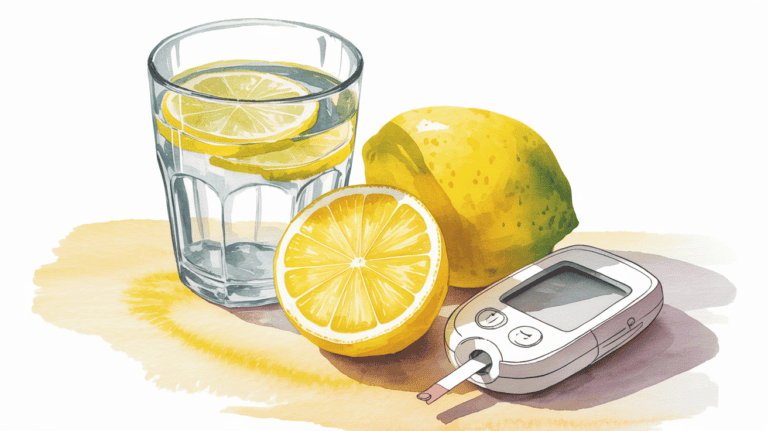
I wrote an entire post on lemon water and blood sugar if you want the full deep-dive, but the key findings: lemon juice lowered peak blood sugar by 30% when consumed with a starchy meal, and the hesperidin in lemons has documented NF-κB-inhibiting anti-inflammatory effects.
It’s simple, it’s cheap, it hydrates you, and there’s real science behind it. Half a lemon in water, with meals.
Tier 2: Strong Supporting Players
These beverages have good evidence for anti-inflammatory benefits, though the research isn’t quite as extensive as Tier 1.
Coffee (Black or With Minimal Additions)
Here’s the good news if you love your morning coffee: moderate coffee consumption (3–4 cups daily) is consistently associated with lower levels of inflammatory markers and reduced risk of type 2 diabetes, cardiovascular disease, and certain cancers in large observational studies.
Coffee contains over 1,000 bioactive compounds, including chlorogenic acids — polyphenols with documented antioxidant and anti-inflammatory activity. A 2023 meta-analysis of prospective studies found that moderate coffee consumption was associated with a 12% lower risk of all-cause mortality.
Here’s the catch: what people add to coffee is often more inflammatory than the coffee itself. A grande Frappuccino with whipped cream can contain 60+ grams of sugar. A daily Starbucks vanilla latte has roughly 35 grams. That sugar load drives the exact inflammatory pathways you’re trying to calm.
The anti-inflammatory coffee rule: If it needs a paragraph to describe the modifications, it’s no longer coffee — it’s dessert.
What to add instead: A splash of unsweetened oat milk or almond milk. A scoop of collagen peptides. A dash of cinnamon. If you want a genuinely anti-inflammatory coffee drink, stir in ½ teaspoon of turmeric and a crack of black pepper — golden coffee is a real thing, and it’s surprisingly good.
Bone Broth
Bone broth provides glycine, proline, and glutamine — amino acids that support gut lining repair and have documented anti-inflammatory effects. It also contains minerals in a highly bioavailable form.
The evidence here is more mechanistic than clinical (we have fewer RCTs specifically on bone broth), but the amino acid profile aligns well with gut barrier research. If you’re working on gut health or dealing with any condition where intestinal permeability is part of the picture, bone broth is a useful addition.
What to buy: Kettle & Fire Organic Bone Broth is shelf-stable, organic, and slow-simmered — a good option when making your own isn’t realistic. Sip it warm like tea, or use it as the base for soups and cooking.
Ginger Tea
Ginger has well-documented anti-inflammatory and anti-nausea effects. Multiple RCTs have shown ginger supplementation reduces CRP, IL-6, and TNF-α. A meta-analysis found that ginger significantly reduced pain in osteoarthritis — a tangible benefit beyond lab markers.
Fresh ginger steeped in hot water is the simplest version. Slice about an inch of fresh ginger root, steep for 5–10 minutes, and add lemon if desired.
What to buy: Traditional Medicinals Organic Ginger Tea is a convenient, high-quality option.
Kefir
Fermented beverages deserve a spot on this list because of the gut-inflammation connection. Kefir is a fermented milk drink packed with probiotics that support microbial diversity — and a diverse gut microbiome is one of your strongest defenses against systemic inflammation.
A healthy gut barrier prevents inflammatory compounds from leaking into your bloodstream (a process sometimes called intestinal permeability). Kefir feeds the beneficial bacteria that maintain that barrier. I cover the best fermented foods for menopause in detail if you want to see the full picture.
What to buy: Lifeway Kefir (plain, low-fat) — the unsweetened version. Flavored kefirs often contain significant added sugar.
Tier 3: Promising but Nuanced
Dealcoholized Red Wine
This is an interesting category. Red wine’s anti-inflammatory reputation comes from resveratrol and other polyphenols — but the alcohol itself is inflammatory. Dealcoholized red wine gives you the polyphenols without the alcohol-driven gut barrier damage and inflammatory cytokine release.
A study found that dealcoholized red wine lowered blood pressure in men at high cardiovascular risk — while regular red wine did not. The polyphenols appear to be the active component, and the alcohol was essentially working against them.
If you enjoy the ritual of a glass of wine and you’re trying to reduce inflammation, dealcoholized options give you the beneficial compounds without the tradeoff.
What to look for: Choose brands made from actual wine that’s been de-alcoholized (not just grape juice). The polyphenol content is closer to real wine. Brands like Fre and Surely are widely available.
Turmeric Golden Milk
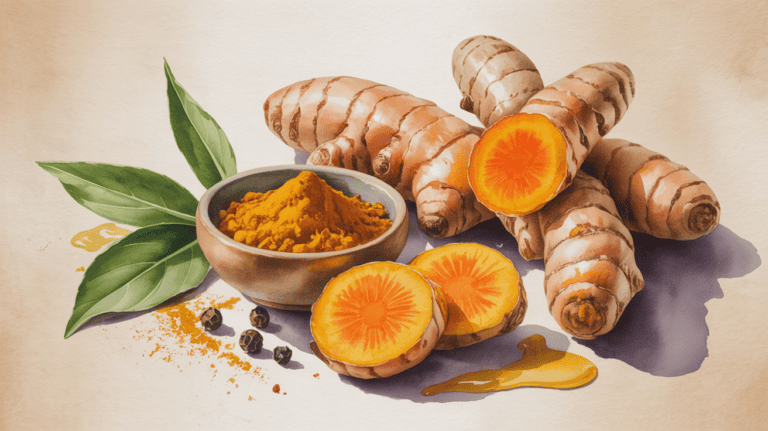
Curcumin — the active compound in turmeric — has substantial evidence for anti-inflammatory effects when combined with black pepper (piperine) and a fat source for absorption. A warm cup of golden milk (turmeric, black pepper, cinnamon, a healthy fat like coconut milk) is both soothing and therapeutically useful.
I have a complete guide on turmeric dosage and absorption if you want the science on why preparation matters so much.
What to Minimize or Avoid
Sugar-Sweetened Beverages
I need to be direct here: sugar-sweetened beverages are one of the most inflammatory dietary components in modern eating patterns.
A study in The Journal of Clinical Endocrinology & Metabolism found that consuming just one 12-ounce sugar-sweetened beverage daily was associated with significant increases in IL-6 and TNF-α — two of the inflammatory markers most strongly linked to chronic disease.
This isn’t gradual. The inflammatory response to a sugar-sweetened drink is measurable within hours — glucose spikes, oxidative stress increases, and your immune system shifts into a pro-inflammatory state. Do this daily, and you’re maintaining a chronic, low-grade inflammatory baseline that drives every condition associated with the Dietary Inflammatory Index.
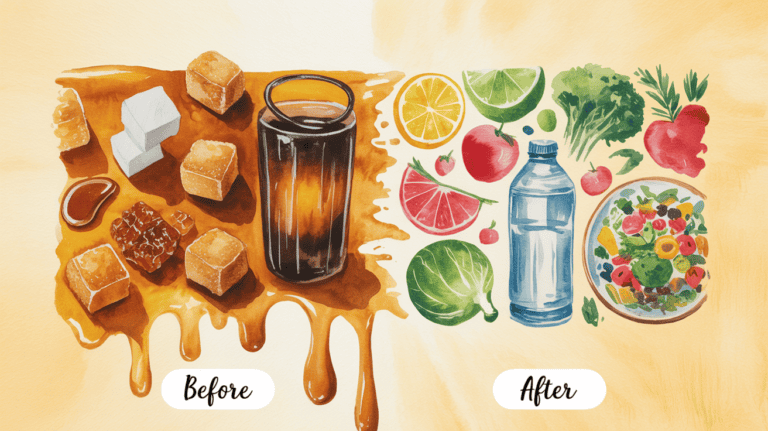
This includes soda, sweetened iced tea, lemonade with added sugar, fruit “drinks” (as opposed to 100% fruit juice), energy drinks, and most coffee-shop beverages.
Excess Alcohol
The research is clear: more than moderate alcohol consumption reliably increases inflammation. Alcohol disrupts gut barrier function, alters microbiome composition, and directly activates inflammatory pathways in the liver. If you’re trying to reduce inflammation, alcohol is working against you.
The “moderate red wine is good for you” narrative has been substantially weakened by more recent research. The polyphenol benefits are real — but you can get those from dealcoholized wine, grapes, berries, and green tea without the inflammatory cost of alcohol.
Diet Soda and Artificially Sweetened Beverages
The 2022 Cell study on artificial sweeteners (which I cover in detail in the lemon water post) showed that aspartame and sucralose altered gut microbiome composition and promoted glucose intolerance in human subjects (Suez et al., 2022). Your gut microbiome is central to inflammatory regulation — disrupting it has downstream consequences.
This doesn’t mean stevia is equally problematic (current evidence suggests it’s not), and it doesn’t mean one diet soda will wreck your health. But as a daily habit? There are better choices.
Your Anti-Inflammatory Beverage Day
Here’s what a day of intentional, anti-inflammatory hydration might look like:
Morning: Lemon water upon waking → green tea or coffee (black or with collagen and cinnamon)
Midday: Water with lunch → ginger tea in the afternoon
Evening: Tart cherry juice concentrate in water (helps with sleep) → herbal tea (chamomile, peppermint)
Throughout the day: Plain water, infused water (cucumber, mint, berries)
You don’t need to overhaul everything at once. Swapping one sugary beverage for green tea or adding lemon water with meals is a meaningful first step. Small, consistent changes are what actually shift your inflammatory baseline over weeks and months — not perfection on day one.
If this feels like a lot, start with the 5 anti-inflammatory swaps and build from there. What matters is the direction you’re moving, not how fast you get there.
This article is for educational purposes and should not replace medical advice. If you’re taking medications — particularly blood thinners, blood pressure medications, or diabetes medications — some of these beverages (particularly green tea and tart cherry juice) may interact with your prescriptions. Discuss changes with your healthcare team. Not sure how to bring up nutrition with your doctor? I have a guide: How to talk to your doctor about anti-inflammatory nutrition.
References (click to expand)
Mancini, E., Beglinger, C., Drewe, J., Zanchi, D., Lang, U. E., & Borgwardt, S. (2017). Green tea effects on cognition, mood and human brain function: A systematic review. Phytomedicine, 34, 26–37. https://doi.org/10.1016/j.phymed.2017.07.008
Suez, J., Cohen, Y., Valdés-Mas, R., Mor, U., Dori-Bachash, M., Federici, S., … & Elinav, E. (2022). Personalized microbiome-driven effects of non-nutritive sweeteners on human glucose tolerance. Cell, 185(18), 3307–3328. https://doi.org/10.1016/j.cell.2022.07.016
Sur, R., Nigam, A., Grote, D., Liebel, F., & Southall, M. D. (2008). Avenanthramides, polyphenols from oats, exhibit anti-inflammatory and anti-itch activity. Archives of Dermatological Research, 300(10), 569–574. https://doi.org/10.1007/s00403-008-0858-x
Uchida, K., Meno, K., Korenaga, T., et al. (2024). Effect of matcha green tea on cognitive functions and sleep quality in older adults with cognitive decline: A randomized controlled study over 12 months. PLoS ONE, 19(9), e0309287. https://doi.org/10.1371/journal.pone.0309287
Park, S. K., Jung, I. C., Lee, W. K., et al. (2011). A combination of green tea extract and L-theanine improves memory and attention in subjects with mild cognitive impairment: A double-blind placebo-controlled study. Journal of Medicinal Food, 14(4), 334–343. https://doi.org/10.1089/jmf.2009.1374
Naimi, S., Viennois, E., Gewirtz, A. T., & Chassaing, B. (2021). Direct impact of commonly used dietary emulsifiers on human gut microbiota. Microbiome, 9, 66. https://doi.org/10.1186/s40168-020-00996-6
Freitas, D., et al. (2021). Lemon juice, but not tea, reduces the glycemic response to bread in healthy volunteers: A randomized crossover trial. European Journal of Nutrition, 60(1), 113–122. https://doi.org/10.1007/s00394-020-02228-x