Anti-Inflammatory Nutrition for Active Women: Fueling Movement, Recovery, and Joint Health
A Registered Dietitian’s Evidence-Based Guide to Eating for Performance, Recovery, and Longevity After 40
You move your body because it makes you feel better. Maybe you’re a runner, a cyclist, a lifter, a hiker, a yoga practitioner, or someone who just walks briskly every morning because it’s the one thing that keeps your head clear and your joints happy. Whatever your version of “active” looks like, it matters to you — and you want to keep doing it for a long time.
But something may have shifted. Recovery takes longer than it used to. Your joints talk back more. Soreness lingers into the next day — or the day after that. You’re doing everything “right” and still feeling more worn down than you should.
Here’s what most sports nutrition advice misses entirely: after 40, the biggest factor affecting your recovery, your joint health, and your ability to keep moving isn’t your workout program. It’s inflammation. And the way you eat either calms that inflammation or amplifies it.
Short on Time? Do These Three Things First.
1. Add omega-3-rich foods (salmon, sardines, ground flaxseed, walnuts) at least 4-5 times per week — omega-3s measurably reduce exercise-induced muscle damage markers.
2. Hit 30 grams of protein at each meal — this supports muscle protein synthesis and recovery, and needs increase after 40.
3. Eat colorful produce daily (berries, tart cherries, leafy greens, beets) — the polyphenols and antioxidants directly counter exercise-induced oxidative stress.
Start with these. Then come back when you’re ready.
This post may contain affiliate links to products that align with my evidence-based nutrition approach. As an Amazon Associate I earn from qualifying purchases. Full disclosure.
Exercise, Inflammation, and What Changes After 40
Exercise is one of the most powerful anti-inflammatory tools available. Regular movement lowers baseline inflammatory markers, improves insulin sensitivity, supports hormonal balance, and protects cardiovascular health. That’s not in question.
But here’s the nuance: every bout of exercise also creates a temporary inflammatory response. Your muscles sustain microscopic damage, your body mobilizes inflammatory cytokines to begin repair, and oxidative stress increases. In a healthy system, this is resolved quickly — it’s how you adapt and get stronger. But when your baseline inflammation is already elevated — from hormonal changes, poor sleep, dietary triggers, or the cumulative effects of chronic stress — that exercise-induced inflammation stacks on top of what’s already there. Recovery slows. Soreness intensifies. Joints ache more.
If you’re in perimenopause or menopause, this becomes particularly relevant. As estrogen declines, you lose a significant anti-inflammatory and antioxidant buffer. Estrogen helps modulate the inflammatory response to tissue damage, supports collagen production in tendons and ligaments, and protects against oxidative stress. Without it, the same workout can produce a more pronounced inflammatory response and slower recovery.
I wrote a detailed breakdown of this hormonal-inflammatory shift in perimenopause is an inflammatory event. If you’re an active woman noticing that your body responds differently than it used to, that article explains the physiological why.
Omega-3s: The Recovery Nutrient Most Active Women Underestimate
If there’s one nutritional intervention with consistent evidence for exercise recovery, it’s omega-3 fatty acids — and most active women aren’t getting enough.
A 2024 systematic review in Nutrients examined 13 studies involving 420 physically healthy participants and found that omega-3 supplementation — typically around 2,400 mg/day for approximately four to five weeks — significantly reduced markers of exercise-induced muscle damage. Creatine kinase (CK) and lactate dehydrogenase (LDH), both indicators of muscle cell damage, were significantly higher in control groups compared to those receiving omega-3s in three out of four studies that analyzed these markers (Fernández-Lázaro et al., 2024). The researchers concluded that omega-3s can be considered an exercise-induced muscle damage recovery agent.
A 2022 randomized, placebo-controlled trial specifically studying young women found that omega-3 supplementation reduced muscle damage markers after resistance exercise (Loss et al., 2022). And a separate study showed omega-3 supplementation benefits extended to muscle preservation during immobilization — the omega-3 group experienced significantly less muscle atrophy and higher muscle protein synthesis rates (McGlory et al., 2019). This is especially relevant if you’ve ever been sidelined by an injury.
The mechanism is straightforward: EPA and DHA have direct anti-inflammatory and antioxidant properties that attenuate the inflammatory cascade triggered by exercise. Four weeks of EPA-rich fish oil supplementation significantly reduced CK levels at day three after exercise-induced muscle damage, with the reduction in CK paralleling improvements in range of motion — explained by decreased inflammation and muscle tissue damage.
For active women after 40, omega-3s also support joint health. A 2024 review in Nutrients examined their role in osteoarthritis management, noting that omega-3s have gained significant research interest for slowing the degenerative process and reducing the chronic inflammatory environment that negatively affects surrounding cartilage, synovium, and ligaments.
Practical application: Aim for fatty fish twice a week (salmon, sardines, mackerel) and add ground flaxseed daily. If you’re not consistently hitting these targets, a quality omega-3 supplement makes a measurable difference. I recommend Nordic Naturals Ultimate Omega, which provides the EPA and DHA levels supported by the research. For more on why omega-3s matter across your health — not just for exercise — see my guide to anti-inflammatory swaps for women over 40.
Protein: More Than You Think, and Timing Matters
Here’s the protein reality for active women after 40: you almost certainly need more than you’re getting. And the way you distribute it across the day matters as much as the total amount.
Muscle protein synthesis — your body’s ability to repair and build muscle tissue — becomes less efficient with age. This means you need a higher dose of protein at each meal to trigger the same anabolic response you got more easily in your 20s and 30s. The research supports a minimum of 25-30 grams of protein per meal, with emphasis on leucine-rich sources (meat, fish, eggs, dairy, soy) that most effectively stimulate muscle protein synthesis.
For active women, total daily protein should be in the range of 1.2-1.6 grams per kilogram of body weight — significantly higher than the standard RDA of 0.8 g/kg, which was established to prevent deficiency, not to support active tissue repair and muscle preservation.
If you’re exercising regularly and not seeing the recovery or body composition results you expect, insufficient protein is one of the most common and most fixable issues. For a deeper dive into how protein needs shift in midlife and what deficiency looks like, see my post on nutrient deficiencies in women over 40.
Practical application: Aim for 30 grams of protein at breakfast — this is the meal most women undereat. Greek yogurt with nuts and seeds, eggs with avocado, a smoothie with protein powder and ground flaxseed, or leftover salmon from dinner all work. Post-workout, prioritize a protein-rich meal or snack within two hours.
Anti-Inflammatory Foods That Support Active Bodies
Beyond omega-3s and protein, specific foods provide targeted anti-inflammatory compounds that support recovery, joint health, and sustained energy.
Tart cherries contain anthocyanins — potent anti-inflammatory compounds that have been studied specifically for exercise recovery. Research shows tart cherry juice reduces markers of muscle damage, inflammation, and oxidative stress after endurance and strength exercise. I wrote a full breakdown in tart cherry juice for sleep and hot flashes — the sleep benefit is a bonus for active women, since deep sleep is when most tissue repair occurs.
Berries (blueberries, strawberries, blackberries) provide anthocyanins and other polyphenols that counter exercise-induced oxidative stress. These compounds support vascular health, which matters for both cardiovascular performance and nutrient delivery to working muscles.
Turmeric and ginger modulate the same COX-2 inflammatory pathways as ibuprofen — but without the gut lining damage that comes with chronic NSAID use. If you’re reaching for ibuprofen after every workout, consider whether an anti-inflammatory dietary pattern might reduce your need for it.
Beets are rich in dietary nitrates that your body converts to nitric oxide, supporting blood flow, oxygen delivery, and exercise efficiency. This is particularly relevant as estrogen’s natural nitric oxide-promoting effects decline during menopause.
Extra virgin
Fermented foods support gut integrity — and your gut is where most nutrient absorption happens. If your gut lining is compromised by inflammation, you’re not absorbing the protein, minerals, and anti-inflammatory compounds you’re eating. For more on this connection, see best fermented foods for menopause.
Joint Health: The Longer Game
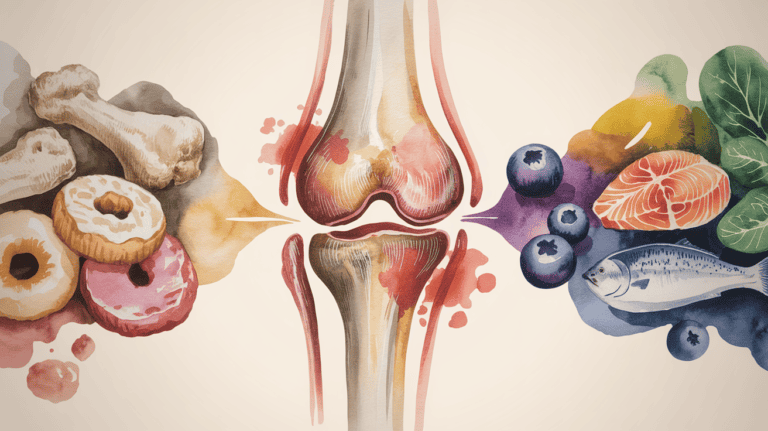
If you plan to stay active for decades — and you should — joint health deserves specific attention. The anti-inflammatory approach is especially relevant here because osteoarthritis isn’t just mechanical wear and tear. It’s a condition driven by chronic inflammation in and around the joint.
The foods already mentioned — omega-3s, colorful produce,
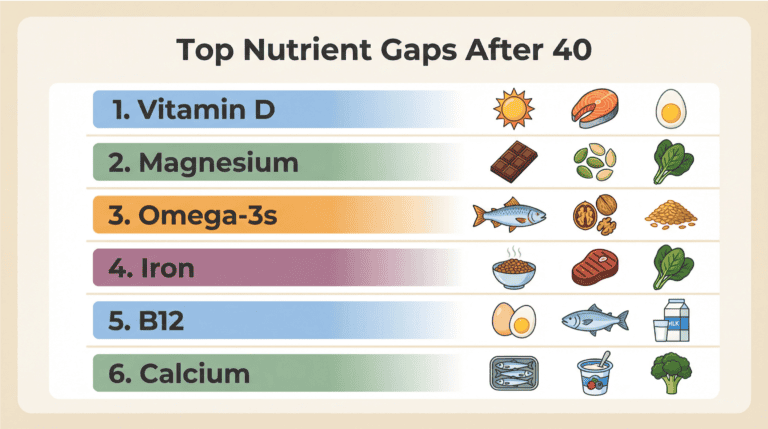
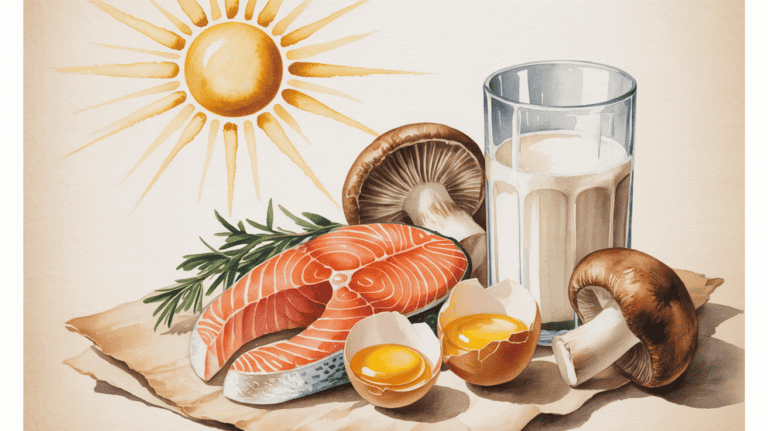
Vitamin C is essential for collagen synthesis — without it, your body can’t properly maintain the connective tissue that cushions and supports your joints. Vitamin D supports bone health and has anti-inflammatory effects. And magnesium — which many active women are low in — is involved in muscle relaxation, bone mineralization, and inflammatory modulation.
For practical meal planning that builds these nutrients in, my 7-day anti-inflammatory meal plan is designed with these priorities in mind.
What to Eat Around Your Workouts
Workout nutrition doesn’t have to be complicated, but a few principles make a genuine difference for active women after 40.
Before exercise: A small meal or snack combining carbohydrates with some protein about 60-90 minutes before activity gives you energy without GI distress. Options: banana with almond butter, oatmeal with berries and a spoonful of ground flaxseed, or a small handful of trail mix.
During exercise: For sessions under 60 minutes, water is sufficient. For longer or more intense efforts, consider an electrolyte drink and easily digestible carbohydrates.
After exercise: This is your recovery window. Within two hours, eat a meal with at least 25-30 grams of protein plus anti-inflammatory foods. Salmon with roasted vegetables and
The Bottom Line
Being active after 40 is one of the best things you can do for your health, your mood, your bones, and your longevity. But the way you fuel that activity matters more now than it did when you were younger — not because your body is failing, but because it’s navigating a real inflammatory and hormonal shift that changes what it needs.
An anti-inflammatory approach to nutrition isn’t about restriction or perfection. It’s about giving your body the omega-3s, the protein, the polyphenols, and the micronutrients it needs to recover well, protect your joints, and keep you doing the things you love for a long time.
You earned every mile, every rep, every hike. Now feed the body that got you there.
What’s the one thing you’ll try this week?
This content is for educational purposes and is not a substitute for personalized medical advice. If you’re managing a health condition or taking medications, talk with your healthcare provider before making significant dietary changes. Need help with that conversation? I wrote a guide on how to talk to your doctor about anti-inflammatory nutrition.
References (click to expand)
Fernández-Lázaro, D., et al. (2024). Omega-3 supplementation on post-exercise inflammation, muscle damage, oxidative response, and sports performance in physically healthy participants: A systematic review. *Nutrients*, 16(2), 289. https://doi.org/10.3390/nu16020289
Loss, C. R., et al. (2022). Effects of omega-3 supplementation on muscle damage after resistance exercise in young women: A randomized placebo-controlled trial. *Nutrition & Health*, 28(3), 427–435. https://doi.org/10.1177/02601060211066349
McGlory, C., et al. (2019). Omega-3 fatty acid supplementation attenuates skeletal muscle disuse atrophy during two weeks of unilateral leg immobilization in healthy young women. *FASEB Journal*, 33(3), 4586–4597. https://doi.org/10.1096/fj.201801857RRR
OmegaQuant. (2025). Omega-3 supplementation and exercise recovery: A systematic review synthesis. Retrieved from https://omegaquant.com
Sansone, M., et al. (2024). Omega-3 supplementation and osteoarthritis: Mechanisms and clinical evidence. *Nutrients*, 16(11), 1738. https://doi.org/10.3390/nu16111738