Skin Inflammation From the Inside Out: The Nutrients Your Skin Needs (and the Foods That Deliver Them)
A Registered Dietitian’s Evidence-Based Guide to Nutrition and Skin Health
You can have the most expensive skincare routine in the world and still be missing the most important part of the equation: what you’re feeding your skin from the inside.
Your skin is your largest organ. It’s also one of the most visible indicators of what’s happening beneath the surface — including inflammation. If you’re dealing with persistent dryness, redness, premature aging, thinning skin, eczema flares, or slow wound healing, these aren’t just “skin problems.” They’re often signals that something systemic needs attention.
And if you’re a woman in your 40s or 50s, the timing isn’t coincidental. Hormonal shifts during perimenopause and menopause accelerate many skin changes — and the underlying driver is, once again, inflammation.
Short on Time? Do These Three Things First.
1. Eat fatty fish (salmon, sardines, mackerel) twice a week — omega-3s reduce skin inflammation and support barrier function
2. Add a daily source of vitamin C-rich foods (bell peppers, citrus, strawberries, broccoli) — vitamin C is essential for collagen production
3. Stay consistently hydrated — aim for at least 8 cups of water daily, more if you’re active
Start with these. Then come back when you’re ready.
This post may contain affiliate links to products that align with my evidence-based nutrition approach. As an Amazon Associate I earn from qualifying purchases. Full disclosure.
Your Skin Reflects Your Inflammation Status
Skin aging and skin conditions aren’t just about genetics or sun exposure — though both matter. Chronic, low-grade inflammation accelerates nearly every aspect of skin deterioration: collagen breakdown, reduced elasticity, impaired wound healing, and increased sensitivity.
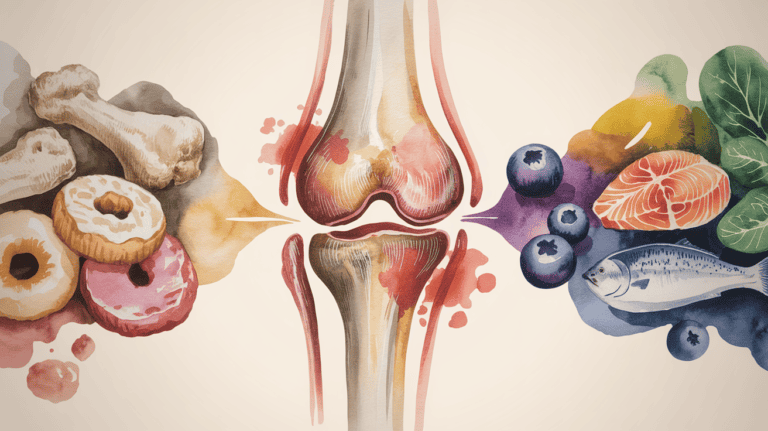
A 2024 review in Cureus examined how dietary choices directly impact inflammatory skin conditions including psoriasis, atopic dermatitis, and rosacea. The findings were consistent: diets high in anti-inflammatory foods — vegetables, fatty fish,
A 2025 review in Food Science & Nutrition further connected dietary antioxidants to skin aging, finding that oxidative stress and inflammation — particularly from UV exposure, pollution, and high-sugar diets — are the primary accelerators of premature skin aging. The review identified specific dietary compounds that slow this process, all of which are abundant in an anti-inflammatory eating pattern (Food Science & Nutrition, 2025).
Here’s the insight worth remembering: your skin is built and repaired from the inside. Topical products work on the surface, but the raw materials for collagen synthesis, barrier repair, and inflammatory control come from your diet.
If you’ve been following my work on how perimenopause is an inflammatory event, this makes sense — the same inflammatory surge that drives hot flashes, joint pain, and mood changes also affects your skin. It’s all connected.
The Key Nutrients Your Skin Needs — and Why
Research has identified several nutrients as critical for skin health, and they all share a common feature: they either build skin structures, protect against inflammatory damage, or both. A comprehensive 2024 review in Nutrients mapped these compounds to specific skin functions, making the case that a targeted whole-foods diet can meaningfully improve skin health (Nutritional Dermatology, 2024).
Here are the ones that matter most.
Omega-3 Fatty Acids: Your Skin’s Anti-Inflammatory Shield
Omega-3s — specifically EPA and DHA — are among the most well-studied nutrients for skin health. They reduce inflammatory signaling in the skin, improve barrier function, and decrease the skin’s sensitivity to UV damage.
A 2025 review of 45 studies found that EPA specifically reduces skin inflammation by lowering pro-inflammatory cytokines like TNF-α and IL-6, while diets rich in both omega-3s and polyphenols enhanced collagen preservation and skin hydration beyond what either nutrient achieved alone.
The best food sources are fatty fish: salmon, sardines, mackerel, and herring. Two servings per week provides a meaningful dose. For plant-based options, ground flaxseed, chia seeds, and walnuts provide alpha-linolenic acid (ALA), which your body can partially convert to EPA and DHA.
If your diet is low in fish, a quality omega-3 supplement bridges the gap. Nordic Naturals Ultimate Omega provides both EPA and DHA in well-absorbed form. I covered omega-3s and their broader anti-inflammatory benefits in my guide on ground flaxseed for menopause.
Vitamin C: The Collagen Builder
Vitamin C isn’t just an immune nutrient — it’s essential for collagen synthesis. Your body cannot make collagen without adequate vitamin C. Period.
Collagen is the structural protein that gives your skin its firmness and elasticity. As you age — and particularly as estrogen declines during menopause — collagen production naturally decreases. Supporting it through nutrition is one of the most practical things you can do.
Vitamin C also functions as a potent antioxidant, protecting skin cells from UV and pollution-induced oxidative damage. A deficiency (which is more common than people realize, especially in those who eat few fruits and vegetables) leads to poor wound healing, easy bruising, and fragile skin.
The richest food sources include bell peppers (one red bell pepper provides over 150% of your daily needs), strawberries, citrus fruits, broccoli, kiwi, and Brussels sprouts. Eating these raw or lightly steamed maximizes vitamin C content, as the vitamin is heat-sensitive and water-soluble.
Vitamin E: The Membrane Protector
Vitamin E works alongside vitamin C to protect your skin from oxidative damage. While vitamin C is water-soluble and works inside cells, vitamin E is fat-soluble and stabilizes cell membranes — the outer barrier of every skin cell.
When these two vitamins are consumed together (which happens naturally in a varied diet), they provide complementary protection. Vitamin E has also been shown to support skin’s response to UV damage and reduce inflammation in the dermal layer.
Good sources: almonds, sunflower seeds, hazelnuts, spinach, avocado, and extra virgin
Vitamin A: The Skin Renewer
Vitamin A and its derivatives (retinoids) are critical for skin cell turnover — the process of shedding old, damaged skin cells and replacing them with new ones. Adequate vitamin A supports a smooth, even skin surface and helps maintain the integrity of your skin barrier.
Preformed vitamin A comes from animal sources: liver, eggs, and dairy. Beta-carotene, which your body converts to vitamin A, is found in orange and dark green vegetables: sweet potatoes, carrots, butternut squash, spinach, and kale. These foods also deliver antioxidant protection independently of their vitamin A content.
Zinc: The Wound Healer
Zinc plays a role in skin integrity, wound healing, and inflammatory regulation. It’s particularly important for anyone dealing with slow-healing skin or inflammatory skin conditions. Zinc also supports immune function at the skin’s surface.
Good food sources include oysters (the richest source by far), beef, pumpkin seeds, lentils, chickpeas, and cashews. If you’re plant-based, pairing zinc-rich foods with vitamin C-containing foods improves absorption.
Vitamin D: The Immune Modulator
Vitamin D receptors are found throughout the skin, and this vitamin plays a role in skin cell growth, repair, and immune function within the skin. Deficiency — which is common in women over 40, particularly those with limited sun exposure — is associated with increased susceptibility to inflammatory skin conditions and impaired barrier function.
While your skin synthesizes vitamin D from sunlight, most people don’t make enough, especially during fall and winter months. Food sources are limited (fatty fish, egg yolks, fortified foods), making supplementation practical for most women. Ask your doctor to check your levels — optimal is generally 40–60 ng/mL.
The Inflammation Accelerators: AGEs and Oxidative Stress
It’s worth understanding what accelerates skin inflammation from the dietary side.
Advanced glycation end products (AGEs) are compounds formed when proteins or fats combine with sugar — both in your body and during high-heat cooking. AGEs directly damage collagen fibers, making them stiff and less elastic. A diet high in AGEs (think heavily browned, fried, and processed foods) has been linked to accelerated skin aging. I wrote a full guide on what AGEs are and how to reduce them — including simple cooking modifications that make a real difference.
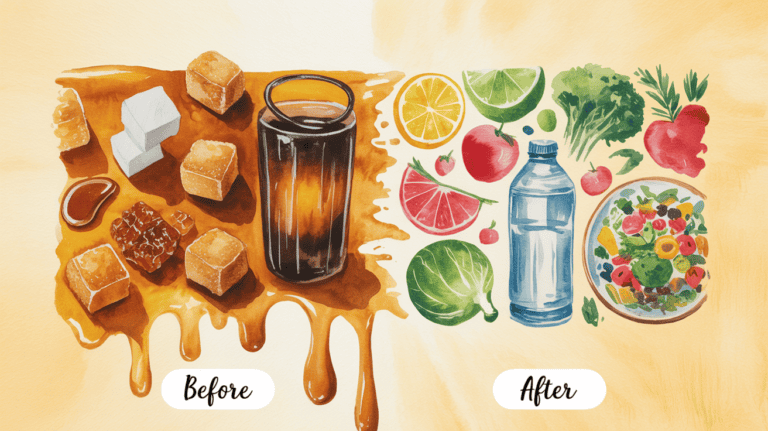
Excess added sugar promotes AGE formation internally and triggers inflammatory pathways. You don’t need to eliminate sugar, but reducing the daily load — especially from sweetened beverages and highly processed snacks — gives your skin a meaningful advantage.
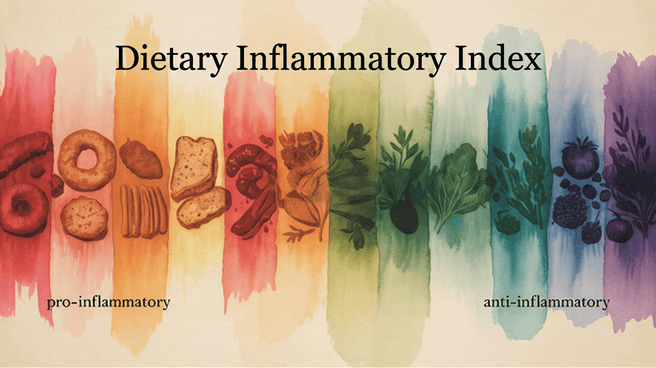
Ultra-processed foods are high in pro-inflammatory fats, refined carbohydrates, and additives that can increase systemic inflammation. The Dietary Inflammatory Index provides a useful framework for understanding which overall patterns are most and least inflammatory.
A Skin-Supporting Anti-Inflammatory Plate
Here’s what a day of eating for skin health might look like — and notice how naturally it aligns with the broader anti-inflammatory principles I teach across this site:
| Meal | What to Include | Key Skin Nutrients |
|---|---|---|
| Breakfast | Greek yogurt with berries, ground flaxseed, and walnuts | Protein, omega-3s, vitamin C, polyphenols, probiotics |
| Lunch | Spinach salad with salmon, avocado, bell peppers, |
Omega-3s, vitamins A, C, E, zinc, healthy fats |
| Snack | Handful of almonds + an orange | Vitamin E, vitamin C, zinc |
| Dinner | Baked sweet potato with lentils, roasted broccoli, and |
Vitamins A, C, zinc, fiber, polyphenols |
This isn’t a restrictive plan. It’s a framework. The 7-day anti-inflammatory meal plan provides a full week of meals built on these same principles.
Hydration Matters More Than You Think
Water isn’t a glamorous skin intervention, but it’s a foundational one. Your skin’s outermost layer — the epidermis — requires adequate hydration to maintain elasticity and barrier function. Clinical research has shown that increasing water intake improves skin hydration and elasticity within two weeks, particularly in people who were previously under-hydrated.
Aim for at least 2.7 liters (about 11 cups) of total fluids daily — from water, herbal tea, and water-rich foods like soups, cucumbers, watermelon, and berries. If you’re exercising, sweating, or living in dry climates, you’ll need more.
Collagen Supplements: What the Research Shows
Collagen supplements have become enormously popular, and the research is actually more encouraging than I expected. A 2023 meta-analysis found that hydrolyzed collagen supplementation improved skin hydration, elasticity, and wrinkle appearance — though the optimal dose and duration are still being refined.
If you’re considering collagen, hydrolyzed collagen peptides (typically from bovine or marine sources) are the most studied form. The evidence suggests 5–10 grams daily for at least 8–12 weeks. But keep in mind: your body still needs vitamin C to incorporate collagen properly, which brings us back to food.
For the 5 anti-inflammatory swaps I recommend for women over 40, several directly support skin health — including switching to extra virgin
Your Skin Is Telling You Something
If your skin has changed — if it’s drier, thinner, slower to heal, more reactive, or aging faster than you’d expect — it’s worth looking beyond your skincare shelf. Your skin is a reflection of your internal environment, and the most powerful interventions start with what you eat.
The nutrients that support your skin are the same ones that calm inflammation throughout your body. By focusing on omega-3s, antioxidant vitamins, and anti-inflammatory whole foods — and reducing the AGEs and processed foods that accelerate damage — you’re not just improving your complexion. You’re addressing the underlying inflammation that connects skin health to everything else you’re experiencing.
What’s the one skin-supporting food you’ll add this week?
This article is for informational purposes only and is not a substitute for professional medical or dermatological advice. If you’re experiencing persistent or severe skin conditions, please work with a qualified healthcare provider. For guidance on these conversations, see How to Talk to Your Doctor About Anti-Inflammatory Nutrition for Menopause.
References (click to expand)
Sharma, S., Chaudhary, S. M., Khungar, N., et al. (2024). Dietary influences on skin health in common dermatological disorders. Cureus, 16(2), e55282. https://doi.org/10.7759/cureus.55282
Food Science & Nutrition. (2025). Potential role of dietary antioxidants during skin aging. Food Science & Nutrition, 13(5), e70141. https://doi.org/10.1002/fsn3.70141
Nutritional Dermatology: Optimize Diet for Skin Health. (2024). Nutrients, 17(1), 60. https://doi.org/10.3390/nu17010060
Szczepanek, K., Grocholewicz, K., & Szponar, B. (2024). Nutritional supplements for skin health: A review of what should be chosen and why. Medicina, 60(1), 68. https://doi.org/10.3390/medicina60010068
Pu, S. Y., Huang, Y. L., Pu, C. M., et al. (2023). Effects of oral collagen for skin anti-aging: A systematic review and meta-analysis. Nutrients, 15(9), 2080. https://doi.org/10.3390/nu15092080
Erdélyi, A., Pálfi, E., Tűű, L., et al. (2024). The importance of nutrition in menopause and perimenopause — A review. Nutrients, 16(1), 27. https://doi.org/10.3390/nu16010027